



2026
When To Add A Second DC: Our Data-Driven Thresholds For Canada
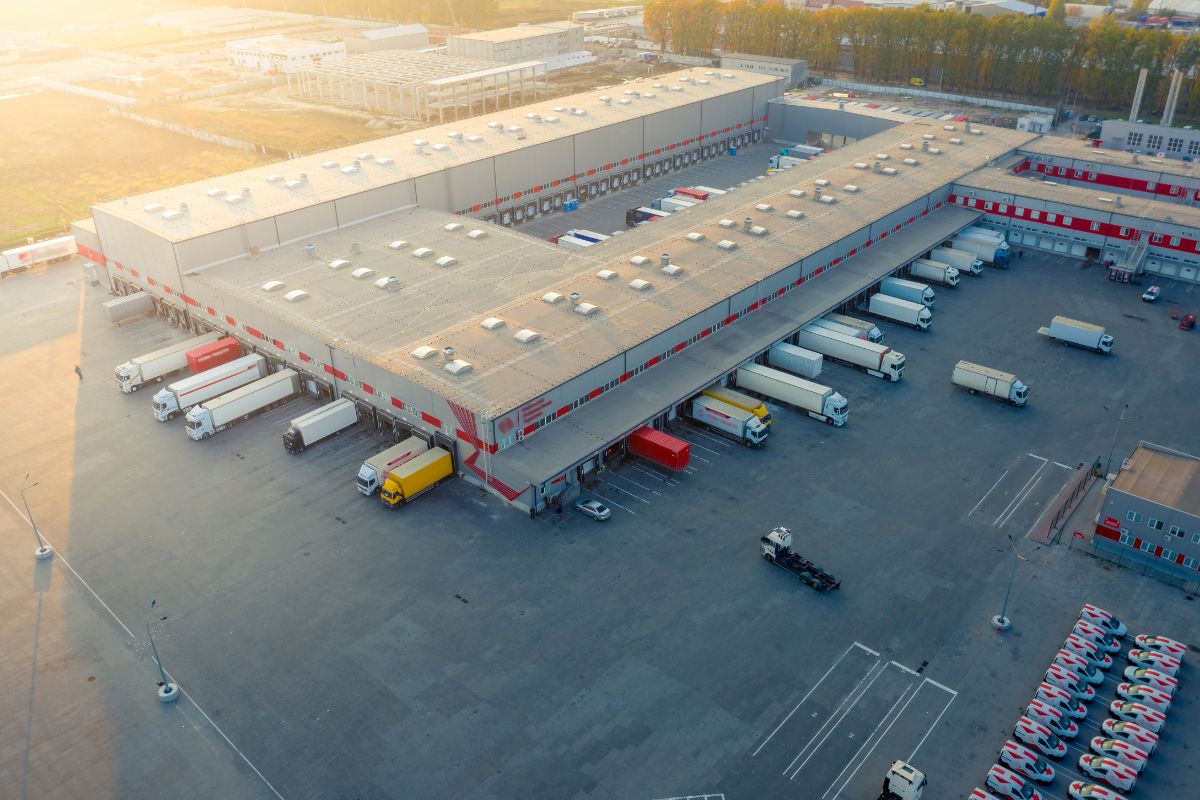
Expanding your logistics network is a massive decision that requires precise timing and clear evidence. Relying on a single distribution center in Vancouver might work for a while but growth eventually strains even the most efficient operations. You need to know exactly when the cost of expanding is outweighed by the cost of doing nothing.
Our team has analyzed years of supply chain data to pinpoint the exact moments when adding a second facility becomes necessary. We look at specific thresholds across freight expenses and delivery speeds to help businesses scale across Western and Central Canada. This guide will walk you through the actionable metrics you need to monitor to make an informed expansion choice.
Identify The Breaking Point Of Your Single Distribution Center
Operating out of one warehouse in British Columbia is great for serving the Pacific Northwest. Problems arise when your customer base expands eastward into Alberta or Ontario. Your facility will eventually hit a physical and operational limit.
You will start noticing that your dock doors are constantly congested. Trucks might wait hours just to load or unload shipments. This bottleneck slows down your entire operation and frustrates your transportation partners. Drivers operate on strict schedules and delays at your facility can cause a ripple effect across their entire route.
Another clear indicator is a severe lack of pallet space. When you have to store products in aisles or temporary holding areas your picking efficiency plummets. Workers spend more time moving obstacles than fulfilling orders. This chaotic environment leads to misplaced inventory and a significant drop in overall productivity.
Here are the primary indicators that your facility is at capacity:
- Inventory exceeds 85 percent of your total available storage space
- Order processing times increase by more than two days
- Overtime labor costs spike consistently month over month
- Safety incidents rise due to overcrowded working conditions
Monitoring these metrics helps you understand when your current setup is no longer sustainable. You can then begin planning for a second location before your customer service suffers. Taking proactive steps prevents a complete operational breakdown during your busiest months.
Track Rising Freight Costs And Delayed Transit Times
Shipping products from Vancouver to Toronto is expensive and time consuming. As your order volume in Central Canada grows your less than truckload expenses will skyrocket. You are essentially paying a premium to move small shipments across the entire country.
A second distribution center in a location like Calgary or Mississauga drastically reduces these distances. You can ship full truckloads to the new facility at a lower rate. From there you utilize cheaper regional carriers for the final delivery. This hub and spoke model is a proven method for controlling outbound freight expenses.
Transit times are equally important for maintaining customer satisfaction. Modern consumers expect their orders to arrive within a few days. Shipping from a single western hub makes it nearly impossible to meet these expectations for eastern customers. Your competitors with localized inventory will easily win over buyers who demand fast shipping.
Consider these transportation thresholds when evaluating expansion:
- Shipping costs exceed 10 percent of your total gross sales
- Delivery times to Central Canada consistently take longer than five days
- Expedited shipping requests increase to meet standard delivery windows
- Damage claims rise due to longer transit distances and multiple handling points
By placing inventory closer to your end users you cut down on both costs and transit times. This strategic placement is a core component of effective transportation services that modern businesses rely on. It allows you to offer competitive shipping rates without destroying your profit margins.
Manage Inventory Surges During Peak Seasons Effectively
Retail demand is rarely consistent throughout the year. Holidays and promotional events create massive spikes in order volume that can overwhelm a single facility. If you cannot process these orders quickly you risk losing revenue and damaging your brand reputation.
A second distribution center provides the buffer needed to handle these surges. You can split your inventory between locations to ensure neither site is pushed past its breaking point. This distribution of labor and space keeps your operations running smoothly even when order volumes triple.
It also protects you from regional disruptions. If a massive snowstorm hits the Rockies your Vancouver facility might be cut off from the rest of the country. Having a second hub in Central Canada ensures your eastern orders still get fulfilled. This redundancy is crucial for maintaining a reliable supply chain.
Watch for these seasonal inventory challenges:
- Stockouts occur frequently on your most popular items
- Temporary warehouse space rentals eat into your profit margins
- Fulfillment accuracy drops below 98 percent during rush periods
- Customer service inquiries regarding delayed orders double
Handling these peaks requires a flexible approach to storage and fulfillment. By managing seasonal inventory peaks effectively you ensure you capture every possible sale during your busiest months. You build customer loyalty by delivering on your promises when it matters most.
Utilize Rail Networks To Connect Western And Central Markets
Moving freight across Canada does not always mean relying solely on trucks. Trains offer a highly efficient and cost effective alternative for long distance hauling. Integrating rail into your supply chain is a smart move when expanding your footprint.
You can use trains to replenish your second distribution center in bulk. Shipping full containers from the Port of Vancouver to a rail yard in Toronto is much cheaper than sending multiple trucks. This method significantly lowers your overall freight spend and provides a predictable transit schedule.
Rail transport is also more environmentally friendly. Trains produce far fewer emissions per ton of freight compared to over the road trucking. This is an important consideration for companies looking to reduce their carbon footprint and meet sustainability goals.
To make the most of this strategy you need to execute an intermodal CN CP rail playbook that coordinates drayage services to move containers from the port to the rail yard and eventually to your warehouse. This seamless transition between transport modes is the key to unlocking massive savings.
Upgrade Your Technology To Handle Multiple Facilities
Running one warehouse with basic software is difficult but managing two is impossible without the right tools. You need a centralized system that provides real time visibility across your entire network. Without this you will struggle with inventory imbalances and fulfillment errors.
A robust software platform allows you to route orders to the facility closest to the customer. This automated decision making saves time and reduces shipping costs. It also ensures that you maintain optimal stock levels at both locations preventing costly stockouts.
You can track key performance indicators for each site independently. This helps you identify operational bottlenecks and implement targeted improvements. You gain the insights needed to run a highly efficient multi node network that scales with your business.
Understanding what a modern WMS can do for your growing business is crucial. It replaces outdated manual processes with intelligent automation and accurate data tracking. This technological upgrade is a mandatory step before opening your second location.
Measure The Financial Impact Of Expanding Your Footprint
Adding a second distribution center is a massive financial commitment. You have to account for new lease agreements and additional labor costs. There are also investments required for racking and material handling equipment.
However these upfront costs are often offset by long term savings. The reduction in outbound freight expenses is usually the biggest financial benefit. You also gain the ability to process more orders and capture a larger market share in Central Canada.
You must conduct a thorough cost benefit analysis before signing a new lease. Compare your current operating expenses against the projected costs of a two node network. This data driven approach ensures your expansion is financially sound and aligned with your growth goals.
Key financial metrics to evaluate include:
- Total landed cost per order across different regions
- Projected reduction in expedited shipping fees
- Expected increase in sales due to faster delivery times
- Payback period for the initial facility setup costs
Partnering with an experienced provider for your warehousing needs can help mitigate these risks. They offer flexible space and established infrastructure to make your expansion seamless. This allows you to focus on growing your brand rather than managing real estate.
Secure Your Supply Chain Across The Canadian Landscape
Expanding from a single western hub to a multi node network is a critical step for growing businesses. It requires careful planning and a deep understanding of your operational data. By monitoring your freight costs and facility capacity you can pinpoint the exact moment to make your move.
A second distribution center in Central Canada brings your products closer to a massive customer base. It reduces your reliance on expensive long haul shipping and improves your delivery speeds. This strategic expansion builds a resilient and highly competitive supply chain.
Take the time to analyze your current metrics and evaluate your future growth projections. Making a data driven decision will ensure your logistics network can support your business for years to come. The right expansion strategy transforms logistical challenges into a powerful competitive advantage.
Based in Vancouver, British Columbia, Canada, 18 Wheels relies on experience and integrity to make customers happy and remain on the cutting edge of shipping and logistics management.
If you have any questions about this article or you would like to talk to us about your shipping needs, please call us at (604) 439-8938.
