


2026
How SKU Proliferation Is Costing You & Why Our Slotting and Velocity Model Fixes the Problem
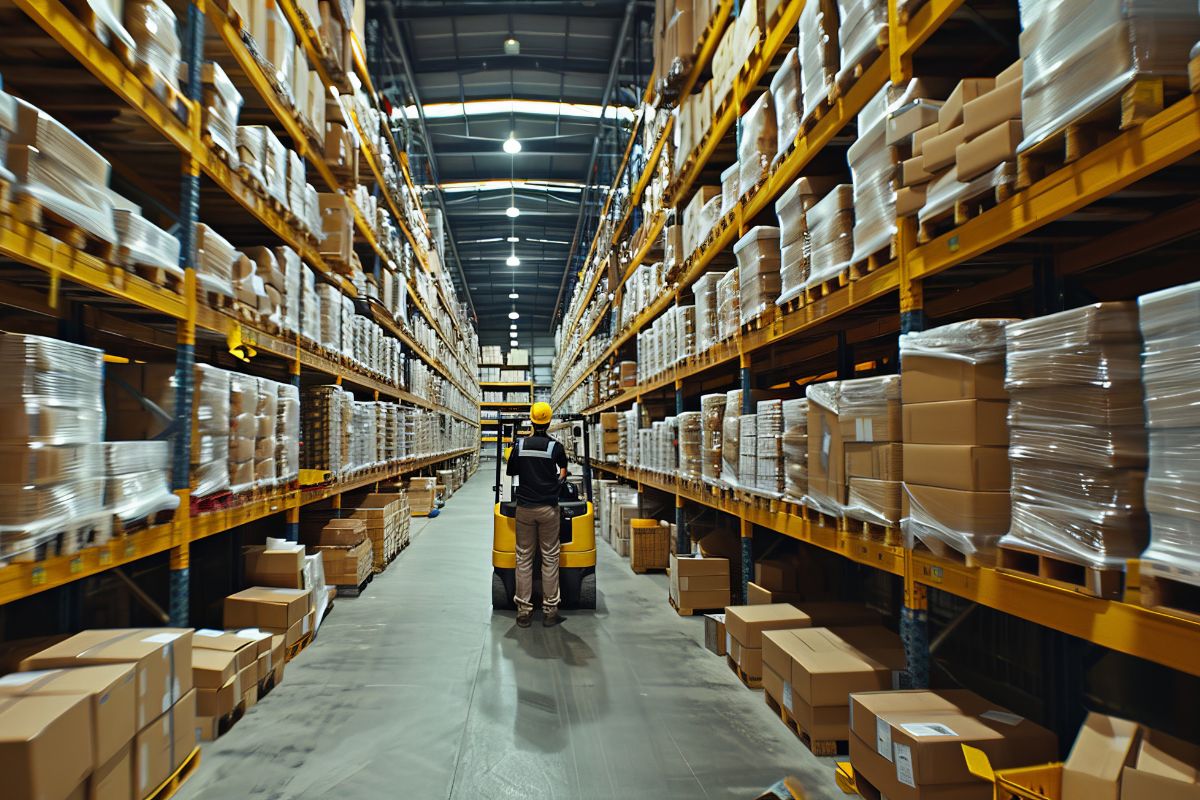
Managing a growing product line feels like a massive win until your warehouse runs out of space and fulfillment times start to slip. Adding new variations, colors, and sizes to your inventory is a great way to capture market share, but it also introduces a hidden operational burden. When your product catalog expands faster than your logistics infrastructure can handle, the resulting chaos eats directly into your profit margins.
This unchecked growth creates a ripple effect across your entire supply chain, leading to misplaced items, slower picking times, and frustrated customers. The solution is not necessarily to stop innovating or to lease a massive new facility. Instead, the answer lies in optimizing how your existing inventory is organized and managed. By implementing a strategic approach to product placement, you can regain control of your warehouse and turn a logistical nightmare back into a competitive advantage.
The Hidden Financial Drain of Expanding Product Lines
Every new item you introduce requires its own dedicated space, tracking, and handling procedures. When a business rapidly expands its offerings, the warehouse floor quickly becomes a maze of partially filled bins and overflowing racks. This disorganization forces your team to spend more time searching for products and less time actually fulfilling orders.
The financial impact of this inefficiency is staggering. Labor costs skyrocket as pickers walk longer distances to find what they need. Furthermore, the risk of shipping the wrong item increases dramatically when similar products are crammed together in poorly labeled locations. These errors lead to costly returns, damaged brand reputation, and a significant drain on your customer service resources.
To understand the true cost of this expansion, consider these common operational bottlenecks:
- Increased travel time for warehouse staff navigating crowded aisles.
- Higher rates of mis-picks due to visually similar items stored too closely together.
- Excessive carrying costs for slow-moving variations that tie up valuable capital.
- Difficulty in performing accurate cycle counts, leading to inventory discrepancies.
Addressing these bottlenecks requires a fundamental shift in how you view your storage strategy. It is not just about finding a place for everything; it is about finding the right place for everything based on how it actually moves through your facility.
Understanding the Velocity of Your Inventory
Not all products are created equal when it comes to sales volume. A small percentage of your catalog likely generates the vast majority of your revenue, while the rest moves at a much slower pace. Treating every item the same is a recipe for inefficiency. You need to categorize your inventory based on its movement speed, or velocity, to optimize your warehouse layout.
High-velocity items are your bestsellers. They need to be positioned in the most accessible locations, closest to the packing stations, to minimize travel time. Medium-velocity items can be stored slightly further away, while low-velocity items should be relegated to the deepest or highest racks. This simple categorization strategy drastically reduces the physical effort required to process daily orders.
When analyzing your inventory velocity, you should focus on several key metrics:
- Order frequency to determine how often an item is picked, regardless of quantity.
- Sales volume to identify the products that generate the most revenue.
- Seasonal fluctuations that might temporarily change an item's velocity category.
- Product affinity to group items that are frequently purchased together.
By continuously monitoring these metrics, you can ensure that your warehouse layout remains aligned with your actual sales patterns. This dynamic approach prevents your fast-moving items from getting buried behind stagnant stock.
Strategic Slotting Maximizes Warehouse Efficiency
Once you understand the velocity of your inventory, you can implement a strategic slotting plan. Slotting is the science of assigning each product to a specific location based on its size, weight, and movement speed. A well-executed slotting strategy transforms a chaotic warehouse into a streamlined fulfillment engine.
For businesses operating in busy hubs like Vancouver, maximizing existing space is critical. Strategic slotting allows you to store more products in the same footprint by matching the size of the item to the size of the bin. It also improves ergonomics for your staff by placing heavy items at waist height and lighter items higher up, reducing the risk of workplace injuries.
A comprehensive slotting strategy involves several critical steps:
- Analyzing product dimensions to select the appropriate storage media.
- Positioning high-velocity items in the "golden zone" for easy access.
- Separating similar-looking products to prevent picking errors.
- Regularly reviewing and adjusting locations based on updated sales data.
This proactive management keeps your operations running smoothly, even as your product catalog continues to evolve. It ensures that your team is always working efficiently, rather than fighting against a disorganized layout.
How Technology Drives Accurate Product Placement
Attempting to manage a complex slotting strategy with spreadsheets is a losing battle. The data changes too quickly, and the risk of human error is too high. To truly optimize your warehouse, you need a modern Warehouse Management System that can analyze movement patterns and recommend the best locations for every item.
Advanced software takes the guesswork out of product placement. It uses historical sales data and predictive analytics to determine the optimal slot for each SKU. When a new product arrives, the system automatically directs the receiving team to the correct bin, ensuring that the item is stored efficiently from day one.
This technology also facilitates continuous improvement. As sales trends shift, the system can generate reports highlighting items that need to be moved to better locations. This allows you to perform regular re-slotting exercises, keeping your warehouse layout perfectly tuned to your current business needs.
Partnering with Experts for Seamless Execution
Implementing a sophisticated slotting and velocity model requires time, expertise, and the right technology. For many growing businesses, managing this process internally is simply not feasible. Partnering with an experienced third-party logistics provider allows you to leverage their infrastructure and knowledge without the massive upfront investment.
A professional 3PL already has the systems and processes in place to handle complex inventory challenges. They understand how to categorize products, design efficient layouts, and utilize technology to maintain high accuracy rates. By outsourcing your warehousing operations, you gain access to a level of optimization that would take years to build on your own.
When selecting a logistics partner, look for a provider that offers:
- Proven experience in managing diverse and expanding product catalogs.
- Advanced technology for real-time inventory tracking and slotting optimization.
- Flexible space options to accommodate seasonal peaks and long-term growth.
- A commitment to continuous improvement and regular performance reviews.
This partnership allows you to focus on developing new products and growing your brand, knowing that the operational complexities are being handled by experts.
Regaining Control of Your Supply Chain
Expanding your product line should be a catalyst for growth, not a source of operational pain. By acknowledging the challenges of a growing catalog and implementing a strategic approach to inventory management, you can protect your profit margins and deliver a superior customer experience.
The combination of velocity analysis and strategic slotting provides a clear roadmap for optimizing your warehouse. It ensures that your fastest-moving items are always accessible, your staff is working efficiently, and your space is utilized to its maximum potential. This level of control is essential for any business looking to scale successfully in today's competitive market.
Do not let a disorganized warehouse hold your business back. Embrace the power of strategic product placement and watch your fulfillment operations transform from a liability into a powerful asset.
Transform Your Operations with Intelligent Logistics
The challenges of a growing product catalog are real, but they are entirely manageable with the right approach. By shifting your focus from simply storing items to strategically positioning them based on movement, you can unlock massive efficiencies within your supply chain. This proactive strategy reduces labor costs, minimizes errors, and ensures that your customers receive their orders quickly and accurately.
At 18 Wheels Logistics, we specialize in turning complex inventory challenges into streamlined solutions. Our advanced slotting and velocity models are designed to keep your operations running smoothly, no matter how fast your business grows. We invite you to experience the difference that a dedicated, data-driven approach to e-commerce fulfillment can make for your bottom line. Let us help you build a logistics infrastructure that supports your ambition and drives your long-term success.
Based in Vancouver, British Columbia, Canada, 18 Wheels relies on experience and integrity to make customers happy and remain on the cutting edge of shipping and logistics management.
If you have any questions about this article or you would like to talk to us about your shipping needs, please call us at (604) 439-8938.
