


2026
How Delivery Efficiency Reduces Traffic Congestion and Fuel Emissions
The modern supply chain is under immense pressure to deliver goods faster than ever before. Yet, as more delivery vehicles hit the roads, urban centers face unprecedented levels of gridlock and pollution. Finding a balance between rapid fulfillment and environmental responsibility is no longer optional; it is a critical necessity for the future of our cities.
Optimizing the final stages of the supply chain offers a powerful solution to these growing challenges. By streamlining routes, consolidating shipments, and leveraging advanced logistics strategies, companies can significantly decrease the number of trucks on the road. This approach not only ensures timely deliveries but also plays a vital role in creating cleaner, more livable communities across Canada.
Streamline Urban Routes to Minimize Gridlock
Navigating busy city streets is one of the most complex challenges in modern logistics. When delivery trucks are caught in bumper-to-bumper traffic, they waste valuable time and contribute heavily to urban congestion. The constant stop-and-go movement of heavy vehicles exacerbates the problem, creating a frustrating environment for everyday commuters in cities like Vancouver, Calgary, and Toronto.
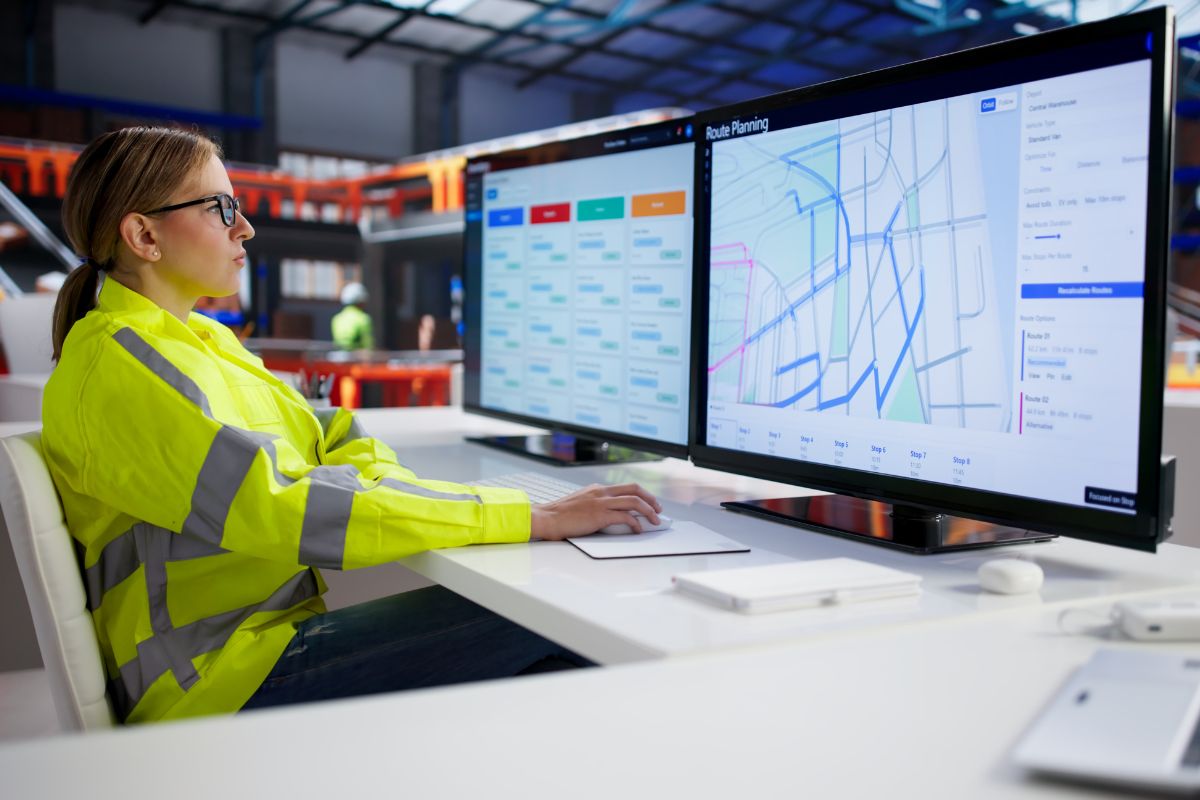
To combat this, logistics providers are turning to advanced routing technology. By analyzing real-time traffic data, weather conditions, and delivery windows, dispatchers can calculate the most efficient paths for every single truck. This dynamic approach allows drivers to bypass known bottlenecks and avoid peak traffic hours entirely.
Implementing smart routing strategies provides several immediate benefits for urban environments:
- Reduces the total number of miles driven by commercial vehicles within city limits.
- Prevents delivery trucks from idling in heavily congested residential neighborhoods.
- Lowers the risk of accidents by keeping trucks moving steadily along optimized paths.
- Ensures that last-mile delivery operations remain highly accurate and predictable.
By keeping trucks moving efficiently and minimizing their time in residential zones, smart routing protects neighborhood air quality. It is a prime example of how maximizing efficiency benefits both the logistics provider and the local community at the same time.
Consolidate Shipments for Fewer Trucks on the Road
A major contributor to traffic congestion is the sheer volume of partially empty trucks on the road. When companies ship small, individual orders rather than waiting to build a full load, they unnecessarily multiply the number of vehicles required. This fragmented approach is highly inefficient and places a massive strain on local infrastructure.
Consolidating shipments is a highly effective strategy for reducing this strain. By combining smaller orders from different clients into a single, fully loaded trailer, logistics providers can drastically cut down on the number of trips needed. This process requires careful planning and coordination, but the payoff is substantial.
Effective consolidation relies on several key practices:
- Matching outbound loads with return trips to eliminate empty backhauls.
- Utilizing cross-docking facilities to quickly transfer goods between vehicles without long-term storage.
- Collaborating with multiple shippers to build dense, optimized loads for specific regions.
- Leveraging transportation management systems to identify consolidation opportunities in real-time.
Fewer trucks on the road directly translates to less traffic and lower emissions. It is a simple concept with a profound impact on the overall efficiency of the supply chain and the livability of our cities.
Position Inventory Closer to Where People Actually Live
The traditional model of shipping goods from massive, centralized warehouses located far outside the city is becoming increasingly obsolete. This approach requires delivery vehicles to travel long distances, adding to highway congestion and increasing the carbon footprint of every order. As consumer expectations for rapid delivery grow, this model simply cannot keep up.
The solution lies in decentralizing the storage network. By positioning high-demand inventory in smaller, localized hubs right within city limits, companies can drastically cut down transit times. These micro-fulfillment centers place products just blocks away from target customers, ensuring faster drop-offs and a leaner operation overall.
This localized approach offers significant advantages for urban logistics:
- Bypasses major highway bottlenecks by keeping inventory close to the final destination.
- Enables the use of smaller, more agile delivery vehicles that are better suited for city streets.
- Reduces the reliance on long-haul trucking for everyday consumer goods.
- Supports sustainable warehousing practices by minimizing the energy required to transport goods across long distances.
By bringing the product closer to the consumer, micro-fulfillment centers fundamentally change the dynamics of urban delivery. They are a crucial component of a modern, efficient supply chain that puts less strain on the roads we all share.
Switch to Cleaner Vehicles for the Final Leg of Delivery
Even with optimized routes and consolidated loads, traditional diesel trucks still produce significant emissions. In densely populated areas like Metro Vancouver and the Greater Toronto Area, these pollutants can linger in the air, creating localized smog that directly affects nearby residents. To truly address the environmental impact of delivery operations, companies must look beyond the internal combustion engine.
There is a massive, growing push from both city municipalities and eco-conscious consumers to reduce carbon emissions in crowded neighborhoods. As a result, we are seeing a major shift toward electric vehicles and cargo bikes for smaller parcel drop-offs. These alternative vehicles are perfectly suited for the short, frequent stops required in urban delivery.
Transitioning to a greener fleet involves several strategic steps:
- Deploying electric vans for neighborhood deliveries to eliminate tailpipe emissions entirely.
- Utilizing cargo bikes for hyper-local drop-offs in highly congested downtown areas.
- Installing charging infrastructure at local distribution hubs to support the electric vehicle fleet.
- Monitoring emissions per pallet-kilometre to track the environmental benefits of the new vehicles over time.
Upgrading your fleet to alternative energy sources is no longer just a clever public relations move. It is a highly practical strategy to execute sustainable delivery while drastically lowering long-term fuel costs and protecting the communities you serve.
Move Long-Haul Freight Off the Highway With Intermodal Shipping
While urban delivery gets much of the attention, the long-haul movement of goods also plays a major role in overall emissions and congestion. Relying solely on over-the-road trucking to move freight across the country places a heavy burden on the highway system. It is also an incredibly fuel-intensive process that adds up quickly at scale.
Intermodal shipping offers a robust alternative. By seamlessly integrating rail and road networks, companies can achieve significant savings while reducing their carbon footprint. Trains are significantly more fuel-efficient than trucks, making intermodal a greener choice for environmentally conscious brands moving goods between Vancouver, Calgary, Winnipeg, and Toronto.
To fully capitalize on these advantages, a logistics partner must have a deep understanding of the infrastructure. Here are the core components that make intermodal shipping successful:
- Strategic terminal access near major ports and distribution centers.
- Reliable drayage services to connect rail yards with final destinations.
- Advanced tracking technology for end-to-end visibility across the entire journey.
- Strong relationships with Class I railroads like CN and CP across Western Canada.
By mastering these elements, logistics providers transform complex supply chains into streamlined operations. This approach keeps heavy freight off the highways, reducing congestion and lowering emissions on a massive scale across the country.
Work With Professionals Who Have the Network Already Built
Building a localized, tech-driven, and eco-friendly distribution network entirely from scratch requires an astronomical amount of capital. It is simply out of reach for most growing brands. Attempting to manage complex routing, fleet upgrades, and facility management internally often leads to costly mistakes and inefficiencies that compound over time.
This is exactly where teaming up with a seasoned third-party logistics provider becomes your ultimate advantage. Relying on an established partner gives you instant access to a massive regional warehousing footprint, unparalleled purchasing power, and a dedicated local fleet. They already have the infrastructure and expertise in place to optimize your supply chain from day one.
An experienced partner understands the chaotic nuances of high-density distribution. They absorb the massive overhead costs, allowing you to seamlessly scale your operations up or down during busy seasonal peaks. Delegating your delivery operations to the experts frees up internal resources so you can focus strictly on growing your business.
Efficiency Is the Answer to Cleaner Roads and Greener Cities
Every inefficient delivery adds another truck to the road and another cloud of exhaust to the air. The good news is that the logistics industry has the tools, the technology, and the expertise to fix this problem. Smart routing, shipment consolidation, micro-fulfillment, cleaner vehicles, and intermodal freight are not futuristic concepts. They are proven strategies being deployed right now across Canada.
The connection between delivery efficiency and environmental health is direct and measurable. When goods move smarter, roads get clearer and air gets cleaner. For businesses looking to reduce their footprint while improving their bottom line, the path forward starts with rethinking how freight moves from origin to doorstep. The communities we operate in depend on it.
Based in Vancouver, British Columbia, Canada, 18 Wheels relies on experience and integrity to make customers happy and remain on the cutting edge of shipping and logistics management.
If you have any questions about this article or you would like to talk to us about your shipping needs, please call us at (604) 439-8938.
