


2026
Kitting vs Bundling vs Variety Packs: How We Get the Lowest-Cost
Consumer packaged goods (CPG) brands are constantly looking for new ways to capture market share, increase average order value, and introduce new flavors to their customers. To achieve this, brands frequently rely on specialized packaging strategies to group products together. However, the terminology surrounding these strategies is often used interchangeably, leading to confusion and, more importantly, inflated production costs.
Understanding the distinct differences between kitting, bundling, and variety packs is the first step toward optimizing your supply chain. Each method requires a different approach to labor, materials, and automation. By aligning your marketing goals with the right co-packing strategy, you can significantly reduce your cost per unit and get your products to market faster.
Defining the Core Packaging Strategies
Before diving into cost engineering, it is crucial to establish clear definitions for each packaging method. While they all involve grouping multiple items, the execution on the warehouse floor varies drastically.
What is Kitting?
Kitting is the process of taking multiple, distinct individual items (each with their own SKU) and assembling them into a single, ready-to-ship package with a new, unique SKU. This is a highly strategic inventory management technique used to streamline the fulfillment process.
Instead of warehouse staff picking five separate items for every order, those items are pre-assembled into a "kit" ahead of time. This is incredibly common for subscription boxes, meal kits, and promotional gift sets. Kitting is typically a labor-intensive process that requires precise assembly and careful inventory tracking.
What is Bundling?
Bundling is a marketing and sales strategy where multiple identical or highly similar products are packaged together and sold as a single unit, often at a discounted rate. The primary goal of bundling is to increase the average order value and move larger volumes of inventory quickly.
A classic example is a three-pack of household cleaner or a shrink-wrapped six-pack of bottled water. Because the items are identical, the packaging process is highly repetitive and predictable. This makes bundle wrapping an ideal candidate for high-speed automation, which drastically lowers the cost per unit.
What are Variety Packs?
Variety packs sit somewhere between kitting and bundling. They involve grouping different variations of a similar product—such as four different flavors of a beverage or three different scents of a lotion—into a single retail-ready package.
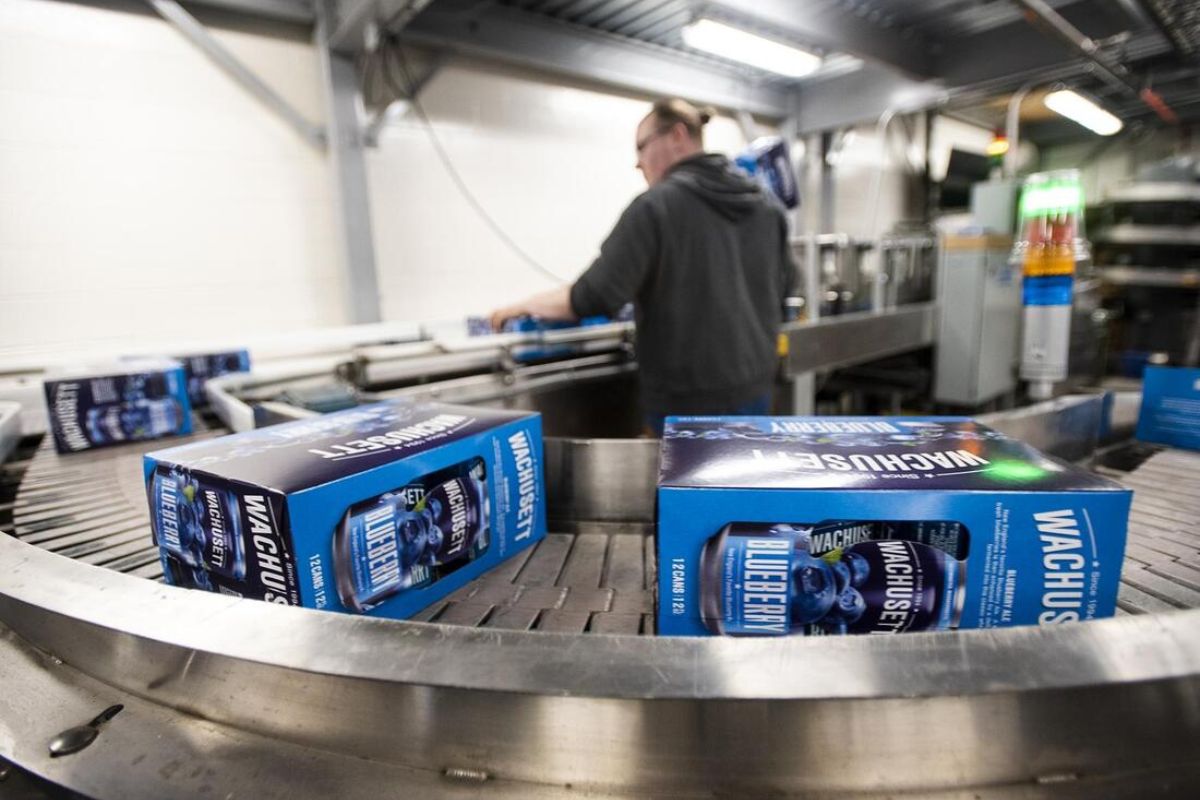
Variety packs are massive drivers of consumer trial and discovery, especially in the beverage industry. However, they are notoriously complex to produce. Managing the inbound flow of multiple different flavors, ensuring the correct mix in every box, and maintaining strict quality control requires a highly organized co-packing operation.
How We Engineer the Lowest-Cost Option
At 18 Wheels Logistics, we do not just assemble packages; we engineer the entire process to drive down your costs. We understand that every cent saved on the production line directly impacts your bottom line. Here is how we analyze your project to determine the most cost-effective packaging solution.
1. Analyzing SKU Complexity and Labor Requirements
The biggest driver of co-packing costs is labor. The more complex the package, the more human intervention is required. When a brand requests a highly customized kit with seven different items, custom tissue paper, and a personalized insert, the labor cost per unit will naturally be higher.
To engineer a lower cost, we work with brands to rationalize their SKUs and simplify the unboxing experience without sacrificing quality. We ask critical questions: Can we reduce the number of components? Can we use a standardized box size?
By streamlining the variety packaging requirements, we can increase our throughput and pass those labor savings directly back to the client.
2. Maximizing High-Speed Automation
Whenever possible, we steer projects toward automated solutions. Manual assembly is necessary for complex kitting, but for bundling and standard variety packs, automation is the key to profitability.
We have invested millions into state-of-the-art production lines at our Burnaby facility. If a client wants to bundle identical beverage bottles, we utilize our high-speed bundle wrapping machinery. This equipment uses durable shrink film to tightly secure the products, creating a "bulls-eye" grip for easy handling. By transitioning a project from manual labor to an automated line, we can process massive volumes in a fraction of the time, drastically reducing the cost per unit.
3. Optimizing Run Lengths and Setup Times
Every time a co-packing line switches from one product configuration to another, there is downtime. The machinery must be recalibrated, new materials must be staged, and quality control checks must be reset. This setup time is a hidden cost that eats into profitability.
To engineer the lowest cost, we focus on optimizing run lengths. We advise our clients to consolidate their production schedules into larger, less frequent runs. A continuous, uninterrupted run of 50,000 variety packs will always have a lower per-unit cost than five separate runs of 10,000 packs. By forecasting demand accurately and leveraging our extensive warehousing capacity to store the finished goods, we help brands achieve maximum economies of scale.
4. Integrating Co-Packing with Transportation
A major, often overlooked cost in the packaging process is the transportation of goods between different facilities. If you manufacture your product in one location, ship it to a separate co-packer, and then ship it again to a distribution center, your freight costs will skyrocket.
We eliminate this inefficiency by providing a true single-source solution. Because we offer co-packing, warehousing, and asset-based transportation under one roof, the product never has to leave our ecosystem until it is ready for the final customer. We receive the raw materials, assemble the kits or bundles, store the finished goods, and load them directly onto our trucks. This seamless integration eliminates unnecessary freight legs and significantly reduces the total landed cost of your product.
Choosing the Right Strategy for Your Brand
Deciding between kitting, bundling, and variety packs ultimately depends on your specific business goals.
Choose Kitting when you need to create highly customized, premium experiences, such as subscription boxes or promotional mailers. Be prepared for higher labor costs, but expect a higher perceived value from the customer.
Choose Bundling when your primary goal is to move high volumes of identical inventory quickly and efficiently. This is the most cost-effective option due to the high potential for automation.
Choose Variety Packs when you want to introduce new flavors or variations to the market. While more complex than bundling, partnering with an experienced co-packer ensures the process remains profitable and scalable.
Packaging should never be an afterthought; it is a critical component of your supply chain strategy. By understanding the nuances of these different methods and partnering with a logistics provider that actively engineers cost savings, you can scale your brand efficiently and profitably.
Based in Vancouver, British Columbia, Canada, 18 Wheels relies on experience and integrity to make customers happy and remain on the cutting edge of shipping and logistics management.
If you have any questions about this article or you would like to talk to us about your shipping needs, please call us at (604) 439-8938.
