


2026
Selecting The Right Transportation Mix For Domestic And Cross-Border Shipments
Moving goods efficiently today involves far more than simply choosing a route or booking a carrier. For businesses managing domestic and cross-border shipments, transportation decisions directly influence costs, delivery reliability, regulatory compliance, and customer satisfaction.
Each shipment presents unique challenges, from navigating local infrastructure to coordinating customs and international transit requirements. Selecting the right transportation mix allows organizations to move products strategically, reduce risk, and maintain consistency across both domestic networks and global trade lanes.
Understanding Transportation Mixes In Modern Supply Chains
A transportation mix refers to the combination of shipping modes used to move goods, such as road, rail, air, and sea. Each mode brings its own strengths and limitations. Domestic shipments often emphasize speed and responsiveness, while cross-border shipments introduce added complexity through customs procedures, border delays, and international regulations. A well-designed mix of domestic and cross-border shipments allows businesses to respond to both routine shipping needs and unexpected disruptions without sacrificing efficiency.
The Role Of Business Goals In Domestic And Cross-Border Shipments
Transportation choices should always align with broader business goals. Companies focused on rapid growth may prioritize speed and scalability, while cost-conscious organizations may favor consistency and predictability. For cross-border operations, goals may include market expansion, customer reach, or supply chain diversification. Clarifying these objectives helps guide decisions around transit times, service levels, and acceptable risk.
Domestic Shipping Considerations That Shape Mode Selection
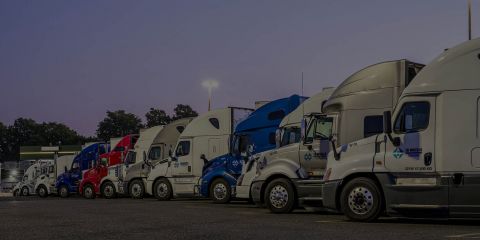
Domestic transportation typically offers greater flexibility than international shipping, but it still requires careful planning. Distance, shipment size, delivery windows, and infrastructure all influence the best mode. Road transport often dominates domestic routes due to its door-to-door convenience, while rail can provide cost efficiency for long distances and heavy freight. Air freight may be reserved for urgent or high-value items where speed outweighs cost.
Cross-Border Shipping And Its Unique Challenges
Cross-border shipments introduce additional layers of complexity that must be factored into the transportation mix. Customs clearance, documentation requirements, duties, and inspections can impact transit times. Differences in infrastructure quality and regulatory standards between countries also play a role. Choosing transportation modes that align with border processes helps minimize delays and reduces the risk of compliance issues.
Balancing Cost Efficiency With Transit Time
One of the most common challenges in transportation planning is balancing cost with speed. Faster modes typically come at a premium, while slower options may offer significant savings. The right mix often involves combining modes to achieve acceptable transit times without unnecessary expense. For example, a shipment may move by rail for the longest leg and transfer to road transport for final delivery, achieving both efficiency and flexibility.

When it comes to domestic and cross-border shipments, it is all about balancing cost efficiency.
Managing Risk And Reliability Across Borders
Reliability is especially critical for cross-border shipments, where delays can cascade across the supply chain. Weather conditions, labor disruptions, regulatory changes, and geopolitical factors all affect international transportation. A diversified transportation mix reduces dependence on any single mode or route, helping businesses adapt when disruptions occur. Planning for contingencies is just as important as optimizing for ideal conditions.
Storage Decisions And Transportation Planning
Transportation does not operate in isolation from storage and warehousing strategies. In fact, understanding the different types of storage needed to support them often goes hand in hand with understanding the various types of transportation. When choosing the right storage locations and facilities, businesses can store goods closer to borders or key markets, making it easier to switch modes when necessary. Knowing how to choose the right storage ensures that shipments remain protected, accessible, and ready for efficient transfer between transportation options without creating bottlenecks.
The Impact Of Volume And Frequency On Mode Selection
Shipment volume and frequency play a major role in determining the optimal transportation mix. High-volume, predictable shipments often benefit from more structured modes such as rail or sea freight, while smaller or irregular shipments may require the flexibility of road or air transport. Domestic operations may prioritize frequent deliveries, while cross-border shipments often benefit from consolidation to reduce costs and simplify customs processes.
Technology’s Role In Transportation Optimization
Technology has become an essential tool for managing complex transportation networks. Real-time tracking, route optimization software, and data analytics help businesses evaluate performance across different modes. These insights make it easier to adjust the transportation mix as conditions change. For cross-border shipments, digital documentation and automated compliance tools can significantly reduce administrative delays and improve visibility.
Sustainability Considerations In Transportation Choices
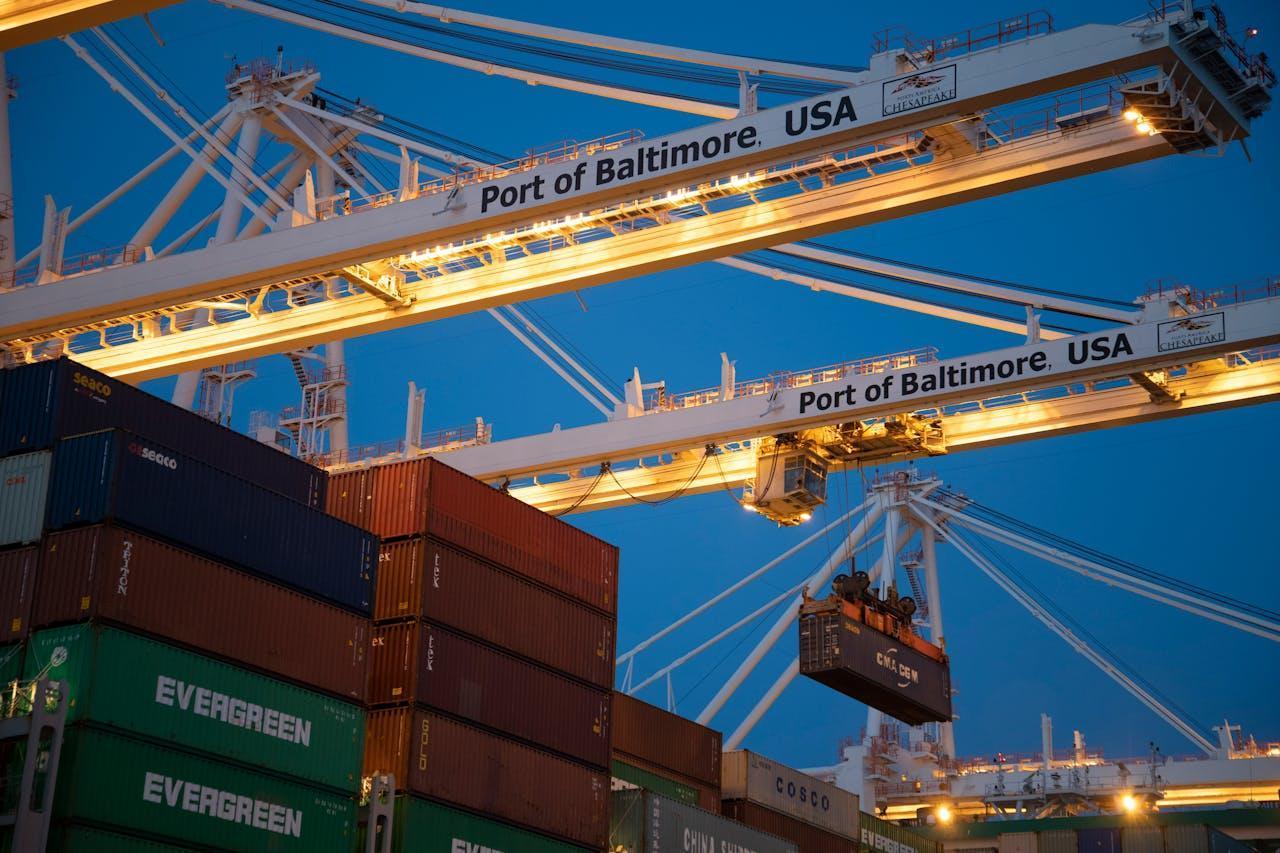
Environmental responsibility is increasingly influencing transportation decisions. Different modes produce varying levels of emissions, and businesses are under growing pressure to reduce their environmental footprint. Rail and sea freight often offer lower emissions per unit than road or air transport, making them attractive options when transit times allow. Incorporating sustainability goals into transportation planning can enhance brand reputation while supporting long-term efficiency.

Caption: Different modes produce varying levels of emissions.
Coordination Between Partners And Carriers
Selecting the right transportation mix also depends on strong coordination with carriers, logistics providers, and internal teams. Clear communication ensures that everyone understands timelines, responsibilities, and contingency plans. For cross-border shipments, coordination becomes even more important, as multiple parties may be involved at different stages of the journey. A collaborative approach reduces misunderstandings and keeps shipments moving smoothly.
Adapting Transportation Strategies To Market Changes
Markets are constantly evolving, and transportation strategies must evolve with them. Seasonal demand shifts, regulatory updates, and economic fluctuations can all affect the suitability of certain transportation modes. Regularly reviewing transportation performance allows businesses to refine their mix and stay competitive. Flexibility and ongoing evaluation are key to long-term success.
Building A Resilient Transportation Framework
Resilience is no longer optional in transportation planning. A resilient transportation mix can absorb shocks, reroute shipments, and maintain service levels even under pressure. That requires proactive planning, diversified options, and strong relationships across the supply chain. Domestic and cross-border shipments alike benefit from a framework that prioritizes adaptability alongside efficiency.
Evolving With Changing Conditions
Selecting the right transportation mix for domestic and cross-border shipments is a strategic process that touches every part of the supply chain. By aligning transportation decisions with business goals, understanding the strengths of each mode, and integrating storage and technology considerations, businesses can create a system that is both efficient and resilient. The most successful transportation strategies are not static; they evolve with changing conditions and customer expectations. With thoughtful planning and a balanced approach, transportation becomes a powerful enabler of growth, reliability, and long-term success.
Based in Vancouver, British Columbia, Canada, 18 Wheels relies on experience and integrity to make customers happy and remain on the cutting edge of shipping and logistics management.
If you have any questions about this article or you would like to talk to us about your shipping needs, please call us at (604) 439-8938.
