



The retail world operates on a rhythm that is rarely steady. For many businesses, the year is a series of quiet lulls interrupted by massive, heart-pounding spikes in demand. Whether it is the frantic rush of Black Friday, the gift-giving surge of the December holidays, or a sudden summer boom for outdoor gear, these peaks are where reputations are made or broken.
If you are a business owner or a logistics manager, you know the feeling of watching your order volume double overnight. It should be a moment of celebration. However, it often feels like a crisis. You might find yourself staring at a warehouse that is bursting at the seams, a staff that is overworked and exhausted, and a shipping department that cannot find enough trucks to get products out the door.
This is the seasonal inventory peak. If handled poorly, it leads to delayed shipments, unhappy customers, and lost revenue. If handled correctly, it is the engine of your annual growth. The difference between those two outcomes often comes down to one thing: flexibility.
Flexible Warehousing Expands And Contracts With Your Sales Volume
One of the biggest financial traps a business can fall into is signing a long-term lease for a massive warehouse based on their peak season needs.
If you need 50,000 square feet in November but only 10,000 square feet in July, you are paying for 40,000 square feet of empty air for most of the year. This is a massive drain on your capital that could be better spent on marketing or product development.
A flexible 3PL solves this by offering a pay-as-you-go model for space. Instead of being locked into a rigid footprint, you occupy the space you need right now. In the logistics world, this is often called the accordion effect.
When your inventory builds up ahead of a major sale, the 3PL allocates more pallet positions to your account. When those items sell through, and your stock levels drop, your footprint shrinks. You only pay for the square footage or pallet positions you actually use. This turns a massive fixed cost into a manageable variable cost.
Beyond just the physical square footage, flexible warehousing includes specialized storage. If you suddenly launch a line of products that require climate control or high security, a sophisticated 3PL already has those zones ready to go. You do not have to build out a cold room for a two-month seasonal project. You simply move your inventory into their existing infrastructure.
3PLs Eliminate The Nightmare Of Seasonal Hiring And Training
Inventory does not move itself. During a peak season, the sheer amount of physical labor required to pick, pack, and ship orders can triple or quadruple. For a business running its own warehouse, this is a logistical nightmare.
You have to post job listings, conduct interviews, perform background checks, and provide training. By the time your new hires are actually proficient at their jobs, the peak season might already be halfway over. Then, when the rush dies down, you are faced with the unpleasant task of layoffs, which hurts company morale and increases your unemployment insurance costs.
A 3PL takes this entire burden off your shoulders. Because they manage multiple clients with different seasonal cycles, they maintain a large, well-trained pool of warehouse professionals. Beyond access to workers, a 3PL also:
- Use sophisticated scheduling software to predict labor needs.
- Cross-trains employees to work on different accounts as demand shifts.
- Handles all the administrative tasks like payroll, benefits, and workers compensation.
- Maintains a culture of safety and efficiency that is hard to build with temporary hires.
When you partner with a 3PL, you are not just getting more sets of hands. You are getting experienced workers who know how to use the warehouse management systems and meet strict shipping deadlines. This ensures that even during your busiest week, your order accuracy remains high and your ship times remain fast.
Demand Surges Require Flexible Transportation Networks
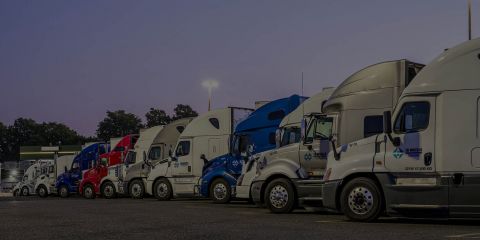
Getting the product off the shelf is only half the battle. You also have to get it to the customer. During peak seasons, the entire national transportation network feels the strain. Carrier capacity tightens, meaning there are more packages than there are trucks and planes to carry them.
If you are a small or medium-sized business trying to negotiate with major carriers like UPS, FedEx, or regional trucking companies during a peak, you have very little leverage. You might face steep surcharges or, worse, daily volume caps that prevent you from shipping all your orders.
A flexible 3PL changes the power dynamic. Because they aggregate the volume of dozens or hundreds of clients, they have massive buying power. They are what the industry calls a shipper of choice. This means they have established relationships and standing contracts with a vast network of carriers.
When capacity gets tight, a 3PL has options. If one carrier is backed up, they can pivot to another. They can utilize a mix of:
- Less than Truckload (LTL) for smaller shipments.
- Full Truckload (FTL) for massive restocks.
- Small parcel delivery for direct to consumer orders.
- Last mile delivery services for urban centers.
This flexibility ensures that your products never get stuck on a loading dock. It also protects your bottom line. 3PLs can often bypass or mitigate the heavy peak season surcharges that individual shippers are forced to pay. They know how to optimize routes and consolidate shipments to keep your costs as low as possible even when the market is at its most expensive.
Get Technology That Provides Real Time Visibility Into Your Inventory
Managing a peak is impossible if you are flying blind. You need to know exactly how much stock you have, where it is, and how fast it is moving. Many businesses try to manage this with spreadsheets, but spreadsheets fail the moment things get complicated.
A modern 3PL provides you with a powerful technology stack that integrates directly with your sales platforms, whether you use Shopify, Amazon, or a custom ERP. This integration gives you a single source of truth for your inventory levels.
During a peak, this visibility is your most valuable asset. You can see which items are flying off the shelves so you can reorder before you stock out. Conversely, you can identify slow-movers and create promotions to clear them out and free up space.
The technology also provides transparency for your customers. In the age of instant gratification, people want to know exactly where their package is. A 3PL system automates the generation of tracking numbers and status updates. This reduces the number of customer service inquiries you have to handle, allowing your team to focus on higher level tasks.
Flexibility Shifts You From A Fixed Cost Mindset To A Scalable Success Model
The most profound benefit of a flexible 3PL is not just about moving boxes. It is about the financial health of your company. Traditional logistics is built on fixed costs. You pay for the warehouse, the equipment, and the core staff regardless of whether you are shipping one order or ten thousand.
This creates a high break-even point. In slow months, your logistics costs can eat up all your profits. In peak months, you might run out of capacity and miss out on potential revenue.
A flexible 3PL converts those fixed costs into variable costs. Your logistics expenses will scale up and down in direct proportion to your sales. This creates a much more stable and predictable profit margin because:
- You do not have to invest millions in warehouse automation or forklifts.
- You do not have to worry about the depreciation of physical assets.
- You do not have to carry the risk of long term property leases.
Instead, you pay for what you use. This model is incredibly resilient. If the economy takes a dip, your costs automatically go down. If your brand goes viral and sales explode, you have the infrastructure in place to capture every bit of that growth without a moment of panic.
Preparing For The Future With A Strategic Partnership
The world of commerce is not getting any simpler. Supply chains are more complex, and customer expectations are higher than they have ever been. Attempting to handle the chaos of seasonal peaks on your own is a recipe for burnout and stagnation.
Choosing a 3PL is not about outsourcing a chore. It is about choosing a partner that provides the physical and digital backbone for your brand. When you have access to flexible space, a ready workforce, and a global transportation network, you are no longer limited by your own physical constraints.
You can say yes to new opportunities. You can launch that new product line, enter that new market, or run that massive holiday promotion with total confidence. You can focus on what you do best, which is building your business, while your 3PL partner handles the heavy lifting.
The goal is to move from surviving the peak to thriving during it. With the right flexible logistics partner, those seasonal surges become exactly what they should be: the most profitable and exciting times of your year.
Based in Vancouver, British Columbia, Canada, 18 Wheels relies on experience and integrity to make customers happy and remain on the cutting edge of shipping and logistics management.
If you have any questions about this article or you would like to talk to us about your shipping needs, please call us at (604) 439-8938.
