


2026
The Role of Canadian Logistics Companies During Extreme Weather Events
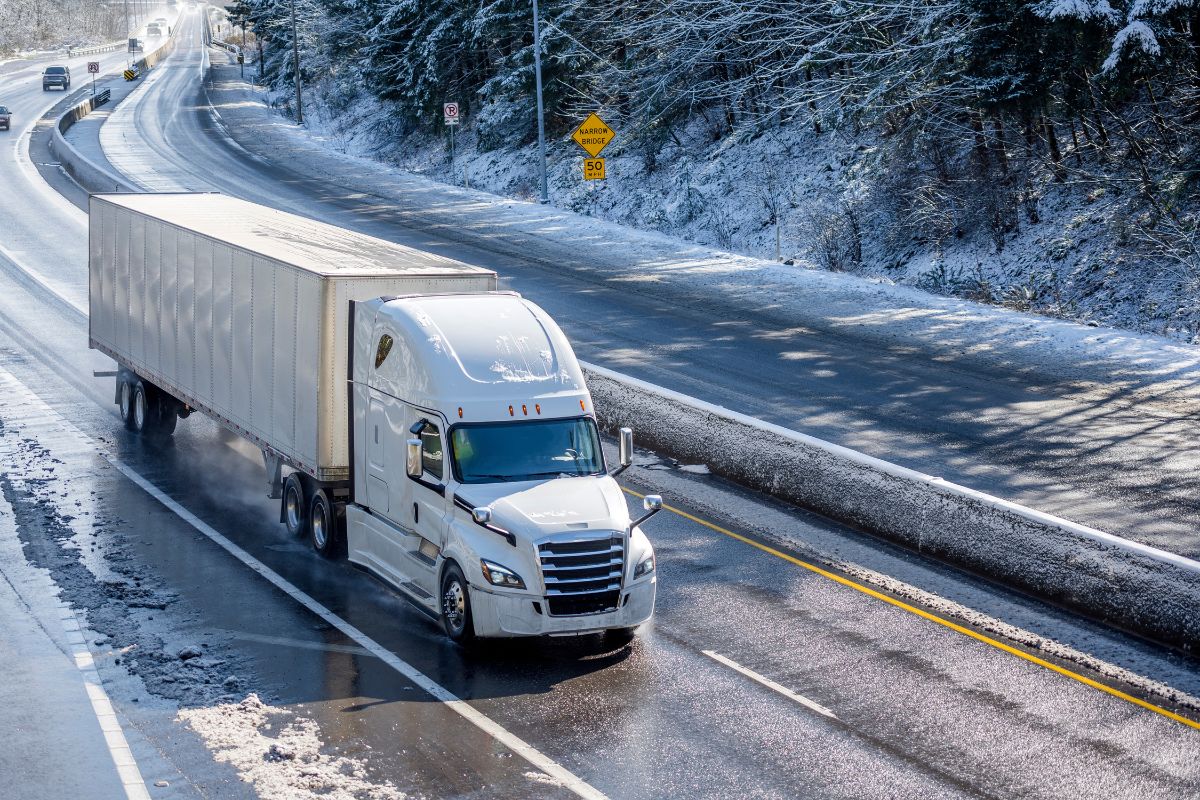
Canada is a nation defined by its vast geography and its unforgiving climate. From the torrential atmospheric rivers that wash out highways in British Columbia to the deep freezes that paralyze the Prairies and the massive snowstorms that blanket the East Coast, extreme weather is an inescapable reality of Canadian life. When these events strike, they do more than just cause property damage; they sever the vital arteries that keep our communities supplied.
During these crises, the focus understandably shifts to first responders and emergency services. However, operating quietly in the background is another essential force: the Canadian logistics industry. When roads are closed, rails are blocked, and ports are frozen, it is the strategic agility of third-party logistics (3PL) providers that prevents temporary disruptions from escalating into catastrophic shortages.
At 18 Wheels Logistics, we have spent decades navigating the complexities of the Canadian climate. Our national network of warehousing and transportation assets is designed not just for efficiency, but for absolute resilience. Here is a look at the critical role logistics companies play when extreme weather strikes.
Pre-Positioning Inventory: The First Line of Defense
The most effective way to manage a supply chain crisis is to prepare for it before it happens. In Canada, we know that winter storms and spring floods are inevitable; the only variable is timing. Professional logistics companies use advanced forecasting and historical data to anticipate these seasonal disruptions.
The primary strategy is the strategic pre-positioning of buffer inventory. Instead of relying on a single, massive distribution center in central Canada, a resilient supply chain utilizes a distributed network of regional warehouses. By moving essential goods—such as non-perishable food, bottled water, medical supplies, and winter gear—closer to vulnerable populations before the severe weather season begins, logistics providers create a localized safety net.
If a blizzard shuts down the Trans-Canada Highway through Northern Ontario, communities in the West do not immediately run out of supplies. They can draw upon the buffer inventory pre-positioned in regional hubs like Calgary or Vancouver, buying crucial time for the transportation infrastructure to be cleared and repaired.
Dynamic Rerouting and Multi-Modal Agility
When extreme weather hits, the initial plan almost always fails. A highway might be washed out, a mountain pass might be closed due to avalanche risk, or a port might suspend operations due to high winds. In these moments, rigid supply chains shatter. Resilience requires absolute flexibility.
Modern Canadian logistics companies rely on sophisticated Transportation Management Systems (TMS) that provide real-time visibility into weather patterns, road closures, and traffic conditions. When a primary route is compromised, the logistics team must instantly pivot.
This dynamic rerouting often involves shifting between different modes of transportation. If the rail lines through the Rockies are blocked by a mudslide, a capable 3PL will rapidly transload critical freight from railcars onto long-haul trucks, utilizing alternative southern routes to bypass the disaster zone. In extreme emergencies, where communities are entirely cut off by land, logistics providers coordinate with air freight services to deliver essential supplies via emergency airlifts.
Maintaining the Cold Chain Under Pressure
Extreme weather does not just impede movement; it actively threatens the integrity of the products being moved. This is particularly critical for the food, beverage, and pharmaceutical industries, which rely on an unbroken cold chain to prevent spoilage.
During a deep Canadian freeze, ambient trailers offer zero protection. If a truck carrying fresh produce or liquid medications is stranded on a closed highway for 24 hours in -30°C temperatures, the entire load will freeze and be destroyed. Conversely, during a summer heatwave, refrigeration units must work overtime to maintain safe temperatures.
Logistics providers combat these extremes through specialized equipment and infrastructure. This includes utilizing heavily insulated, temperature-controlled trailers equipped with their own independent heating and cooling units. Furthermore, if a truck is delayed, regional temperature-controlled warehouses provide safe harbor, allowing drivers to offload sensitive cargo into a secure, climate-controlled environment until the roads reopen.
Supporting Emergency Relief Efforts
Beyond maintaining commercial supply lines, logistics companies play a direct, hands-on role in emergency disaster relief. When floods devastate a town or wildfires force mass evacuations, government agencies and non-governmental organizations (NGOs) require massive logistical support to mobilize relief efforts.
3PL providers step in to manage the sudden influx of donated goods and emergency supplies. They provide the secure warehouse space needed to stage relief materials and utilize their expertise in co-packing to quickly assemble individual survival kits, hygiene packs, and emergency food rations.
Because established logistics companies already have the trucks, the drivers, and the routing expertise, they are uniquely positioned to distribute these relief supplies into disaster zones far faster and more efficiently than organizations attempting to build a supply chain from scratch in the middle of a crisis.
The Value of a Resilient Logistics Partner
Extreme weather events are a stress test for the entire Canadian economy. They reveal the hidden vulnerabilities in rigid, "just-in-time" supply chains and highlight the absolute necessity of strategic preparation and operational agility.
Partnering with a national logistics provider is not just about reducing freight costs; it is about risk management. It is about ensuring that when the worst weather hits, your products are protected, your supply lines remain open, and your commitments to your customers are honored.
At 18 Wheels Logistics, our expansive Canadian network and deep industry expertise allow us to navigate the toughest conditions this country has to offer. If you are looking to build a more resilient, weather-proof supply chain, contact our team today to discuss our comprehensive warehousing and transportation solutions.
