


2026
Multi-Temperature Logistics: Managing Ambient, Cool, and Frozen Products
Modern supply chains rarely deal with a single type of product. Many distributors, manufacturers, and importers move a mix of ambient goods, temperature-sensitive products, and frozen inventory through the same network. Managing those different requirements at scale takes planning, infrastructure, and experienced handling. This is where multi-temperature logistics plays a critical role, especially when supported by a capable third-party logistics provider.
How Multi-Temperature Logistics Works in Practice
At the operational level, multi-temperature logistics begins with clearly defined temperature zones. Ambient products move through standard warehouse space, while cool and frozen items require insulated environments with continuous monitoring. Each zone operates independently but follows a unified inventory and scheduling system.
Products enter the facility through controlled receiving procedures. Warehouse teams verify temperatures on arrival, inspect packaging integrity, and assign inventory to the appropriate storage zone. From there, products remain segregated until they are picked, packed, and staged for outbound shipping. This separation protects product quality while allowing orders to be consolidated efficiently.
A typical multi-temperature workflow includes:
- Dedicated storage zones for ambient, chilled, and frozen products
- Temperature verification at receiving and dispatch
- Separate picking and staging areas to avoid cross-exposure
- Coordinated loading schedules to maintain cold chain integrity
Throughout this process, warehouse management systems track location, dwell time, and movement to ensure products stay within acceptable temperature ranges from dock to destination.
Managing Ambient Products in a Multi-Temperature Operation
Ambient products form the backbone of most multi-temperature logistics programs. These are goods that remain stable at room temperature, such as packaged food, consumer goods, building materials, or dry health products. Storage typically takes place in standard warehouse space with controlled airflow, clean racking systems, and organized pallet layouts to support high-volume movement.
At receiving, ambient freight is inspected for packaging damage and moisture exposure, then slotted based on turnover speed. Fast-moving items stay closer to outbound doors, while slower inventory is stored deeper in the facility. During order fulfillment, ambient products are picked first and staged separately to avoid congestion near temperature-controlled zones.
Transportation for ambient goods focuses on efficiency rather than thermal control. Standard dry vans are used, often consolidated with other compatible freight. For example, a distributor shipping canned goods across British Columbia may move full truckloads or shared LTL shipments without temperature control, while still coordinating timing with chilled or frozen shipments moving in parallel.
Handling Cool and Refrigerated Products Safely and Efficiently
Cool or refrigerated products require consistent temperature control, usually between 2°C and 8°C, to maintain quality and regulatory compliance. These products include dairy, beverages, pharmaceuticals, cosmetics, and certain health supplements. Storage takes place in insulated cooler rooms with monitored temperatures and restricted door access to limit warm air exposure.
Upon arrival, refrigerated freight is temperature-checked immediately before being transferred into cold storage. Warehouse teams work in short handling windows to minimize exposure during put-away, picking, and staging. Inventory is often managed using first-in, first-out rotation to prevent shelf-life issues.
Transportation relies on refrigerated trailers with continuous temperature monitoring. Loads are carefully sequenced so cool products spend minimal time on the dock. A common example is a beverage distributor shipping chilled drinks to retail locations. Orders are picked in the cooler, staged briefly in a cold dock area, and loaded directly into reefer trucks that maintain temperature through final delivery.
Frozen Product Storage and Transportation at Sub-Zero Temperatures
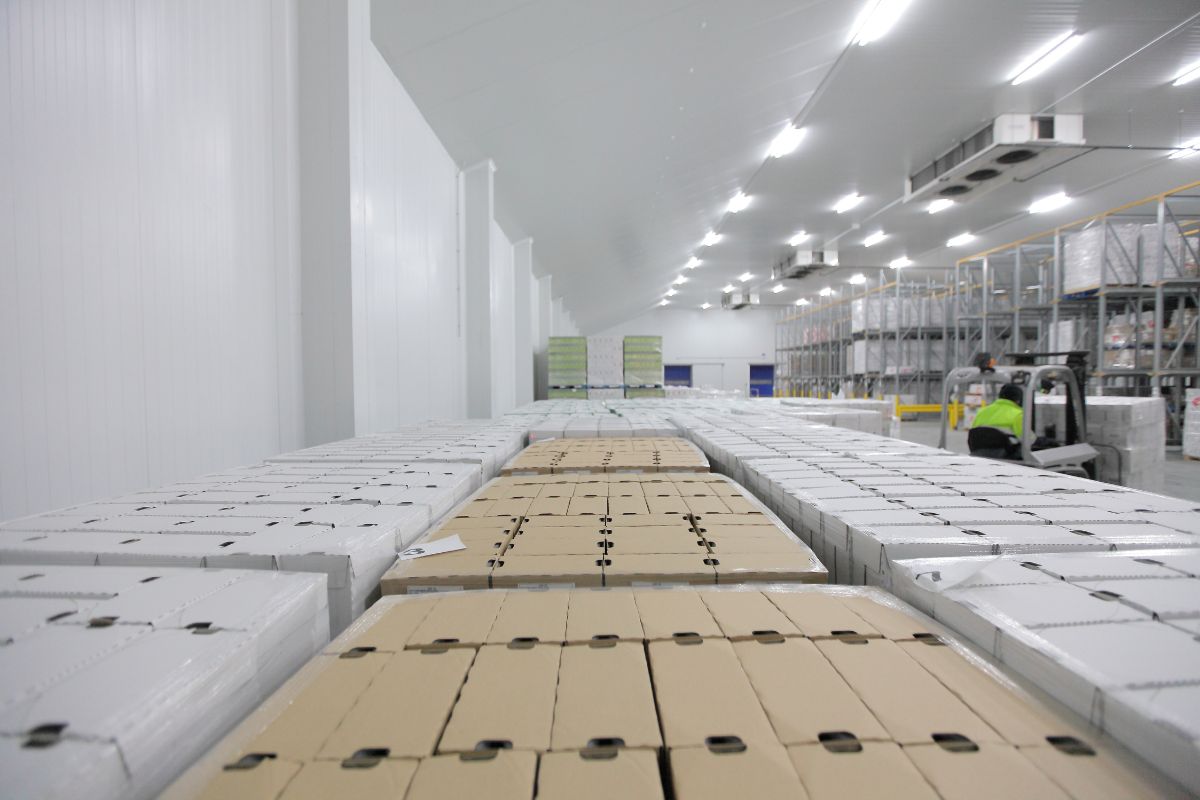
Frozen logistics requires the highest level of control and planning. Products stored at temperatures below -18°C include frozen foods, specialty ingredients, and certain medical or biological items. These goods are stored in freezer environments designed for long-term stability, with reinforced insulation and specialized material handling equipment.
Receiving frozen products is time-sensitive. Pallets move directly from refrigerated inbound trailers into freezer storage to avoid temperature fluctuation. Picking operations are tightly scheduled, often done in waves, to reduce the time freezer doors remain open. Staff are trained to work efficiently in cold environments while maintaining safety protocols.
Frozen transportation uses dedicated reefer equipment calibrated for sub-zero temperatures. Loads are pre-cooled before loading begins, and routes are planned to reduce transit time. For example, a frozen food importer supplying restaurants may ship full pallets to regional hubs, where orders are cross-docked and dispatched quickly to maintain product integrity from warehouse to kitchen.
The Role of 3PLs in Managing Multiple Temperature Requirements
Managing multi-temperature logistics in-house can be capital-intensive and complex. Many businesses turn to 3PL providers because they already operate facilities, equipment, and processes designed for mixed-temperature inventory.
A qualified 3PL brings more than just space. They provide trained warehouse teams, established handling procedures, and real-time visibility into inventory conditions. This allows businesses to scale operations without investing in separate facilities or specialized labour for each temperature category.
Experienced 3PLs also coordinate transportation to match storage requirements. They schedule loads efficiently, minimize door-open time, and ensure products move quickly from storage to outbound trailers. This level of coordination becomes especially important when orders contain a mix of ambient, cool, and frozen items.
Why Multi-Temperature Logistics Matters for Growing Supply Chains
As product lines expand, temperature requirements often diversify. Food distributors add frozen SKUs, health product companies introduce refrigerated items, and importers handle mixed containers with varying storage needs. Without a multi-temperature strategy, these changes create bottlenecks, waste, and higher costs.
A well-run multi-temperature logistics operation keeps products compliant, protects quality, and supports faster order fulfillment. By partnering with a 3PL that understands how to manage ambient, cool, and frozen goods together, businesses gain flexibility and control without operational strain.
Based in Vancouver, British Columbia, Canada, 18 Wheels relies on experience and integrity to make customers happy and remain on the cutting edge of shipping and logistics management.
If you have any questions about this article or you would like to talk to us about your shipping needs, please call us at (604) 439-8938.
