


2026
How Canadian Retailers Are Using Micro-Fulfillment to Speed Up Deliveries
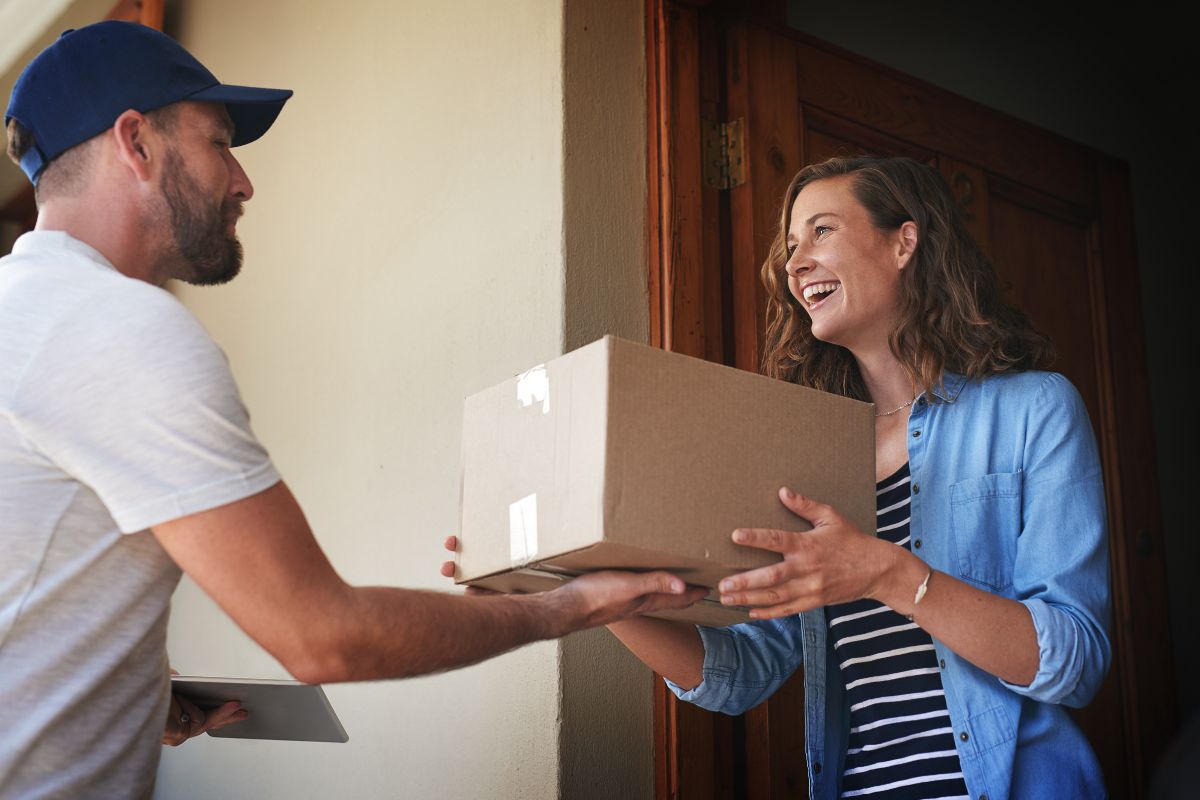
The race for faster delivery has fundamentally changed the logistics landscape. Canadian consumers now expect online orders to arrive within days, if not hours. To meet these demands without destroying profit margins, leading brands are shifting away from massive, remote warehouses and bringing their inventory directly into urban centers. This strategy relies on highly automated, localized hubs that position products right where the buyers are.
This localized approach allows businesses to bypass regional transit delays and avoid the heavy costs of expedited shipping. By rethinking how and where goods are stored, companies are transforming the last mile from a logistical headache into a competitive advantage. The shift is already happening across major cities, changing how products move from shelves to doorsteps.
The Shift From Massive Warehouses to Localized Hubs
Traditional distribution networks were built for a different era. Retailers relied on sprawling facilities located on the outskirts of cities, holding vast amounts of inventory to supply brick-and-mortar stores. While this model worked well for bulk shipments, it struggles under the weight of modern e-commerce. Fulfilling thousands of individual online orders from a remote location is slow, inefficient, and increasingly expensive.
Micro-fulfillment centers offer a powerful alternative. These compact facilities typically range from 10,000 to 50,000 square feet and are strategically placed in dense urban areas like Toronto, Vancouver, and Calgary. Because they require a much smaller footprint, they can be built into existing retail spaces, vacant storefronts, or repurposed commercial buildings. This proximity allows businesses to fulfill e-commerce orders rapidly, cutting down transit times from days to mere hours.
This decentralized model also provides a crucial buffer against supply chain disruptions. Instead of relying on a single chokepoint, companies distribute their fast-moving goods across multiple local nodes. If bad weather or highway congestion slows down regional transport, these urban hubs ensure that local deliveries continue without interruption.
How Automation Drives Speed in Small Spaces
Operating a high-volume distribution center within a confined urban space requires more than just good organization. It requires advanced technology. Micro-fulfillment heavily relies on robotics and automation to maximize storage density and accelerate the picking process. Without these tools, operating in a small footprint would quickly become chaotic and inefficient.
Automated storage and retrieval systems (AS/RS) are the backbone of these facilities. Instead of traditional static shelving, goods are stored in dense, vertical grids. Robots navigate these grids, retrieving specific bins and delivering them directly to human workers at packing stations. This goods-to-person approach eliminates the time workers spend walking up and down aisles searching for products.
The impact of this technology is significant:
- Order processing times drop from hours to minutes.
- Picking accuracy improves, drastically reducing the number of costly returns.
- Storage density increases, allowing small facilities to hold a surprising amount of inventory.
- Labor costs are stabilized, as fewer workers are needed to process high volumes.
By integrating these robotic systems with a modern warehouse management system, retailers gain real-time inventory visibility. This ensures that the stock shown online perfectly matches what is available on the shelf, preventing overselling and phantom inventory issues.
Dark Stores Are Redefining Grocery Logistics
The grocery sector has been one of the fastest adopters of micro-fulfillment, driven by the unique challenges of delivering perishable goods. Traditional in-store picking—where employees walk the aisles alongside regular shoppers to fulfill online orders—is highly inefficient. It creates congestion, leads to out-of-stock items, and limits the number of orders a store can process in a day.
To solve this, major Canadian grocers are investing heavily in "dark stores." These are retail-like spaces closed to the public, dedicated entirely to fulfilling online orders. Loblaw, for example, has piloted automated micro-fulfillment centers within its Toronto-area locations. These facilities use robotics to pick and pack up to 60 grocery items in just 10 minutes, combining automated dry goods picking with manual fresh food selection.
Similarly, Walmart Canada has been expanding its dark store footprint to support its growing delivery network. These facilities look like regular stores but are optimized purely for speed and efficiency. The benefits of this approach are clear:
- No interference between online pickers and in-store shoppers.
- Inventory is optimized specifically for online demand, reducing waste.
- Faster turnaround times for curbside pickup and home delivery.
- Improved temperature control for fresh and frozen items.
By moving online fulfillment out of the retail aisles and into dedicated dark stores, grocers can scale their digital operations without degrading the in-store experience for traditional shoppers.
Cutting Costs on the Expensive Last Mile
The final leg of a delivery—moving a package from a distribution hub to the customer's front door—is notoriously the most expensive and complex part of the supply chain. Navigating urban traffic, dealing with failed delivery attempts, and managing fuel costs eat away at profit margins. When shipping from a centralized warehouse outside the city, these costs multiply.
Micro-fulfillment attacks the last-mile problem by shrinking the distance packages need to travel. When inventory is positioned just a few kilometers from the end consumer, the reliance on expensive regional carriers decreases. Businesses can utilize local courier networks, gig-economy drivers, or even cargo bikes to complete deliveries quickly and affordably.
This localized strategy is essential for maximizing last-mile delivery efficiency. It allows companies to offer the fast shipping options that consumers demand, without absorbing crippling freight costs. As urban centers become more congested and implement stricter emissions zones, shorter delivery routes also provide a critical environmental advantage.
Managing Seasonal Peaks With Scalable Networks
Retail demand is highly volatile. The massive spikes in order volume during the holiday season or major promotional events can overwhelm traditional supply chains. If a single centralized warehouse reaches capacity, orders get delayed, and customer satisfaction plummets. Expanding a massive facility just to handle a two-month rush is financially impractical.
A network of micro-fulfillment centers offers a much more resilient approach to managing seasonal surges. Instead of pushing all volume through one chokepoint, businesses distribute the load across multiple urban hubs. If one location experiences a backlog, orders can be dynamically routed to another nearby facility.
This flexibility is crucial for managing seasonal inventory peaks effectively. It allows retailers to scale their fulfillment operations up and down based on localized demand.
- High-demand seasonal items can be forward-deployed to urban centers.
- Slower-moving goods can remain in regional warehouses to save space.
- Local labor pools can be tapped more easily for temporary warehouse roles.
- Delivery networks remain fluid, avoiding the bottlenecks of major shipping carriers.
By leveraging a distributed network, companies ensure that their most important sales periods run smoothly, capturing revenue that would otherwise be lost to logistical failures.
Strategic Partnerships Unlock Urban Expansion
Building a micro-fulfillment network from scratch requires massive capital investment. Securing urban real estate, purchasing robotic systems, and integrating complex software platforms is beyond the reach of many growing brands. Even large retailers struggle with the operational complexities of running multiple high-tech facilities.
This is why many businesses choose to partner with an established third-party logistics (3PL) provider. A modern 3PL already has the infrastructure, technology, and real estate footprint in place. By plugging into an existing network, brands can deploy inventory into urban markets immediately, without the upfront capital expenditure.
Partnering with a 3PL provides access to comprehensive warehousing services across Canada. It allows businesses to test new markets, expand their delivery capabilities, and leverage enterprise-grade automation on a variable cost basis. This collaborative approach turns the massive challenge of urban logistics into a seamless, scalable solution.
Securing Your Logistics Advantage
The transition to localized, automated distribution is no longer a futuristic concept; it is the current reality of Canadian retail. Relying on slow, centralized shipping models will inevitably lead to lost sales and frustrated customers. Embracing micro-fulfillment allows businesses to cut transit times, control last-mile costs, and build a supply chain that can withstand the pressures of modern commerce. The brands that adapt their logistics networks today will be the ones dominating the market tomorrow.
Based in Vancouver, British Columbia, Canada, 18 Wheels relies on experience and integrity to make customers happy and remain on the cutting edge of shipping and logistics management.
If you have any questions about this article or you would like to talk to us about your shipping needs, please call us at (604) 439-8938.
