



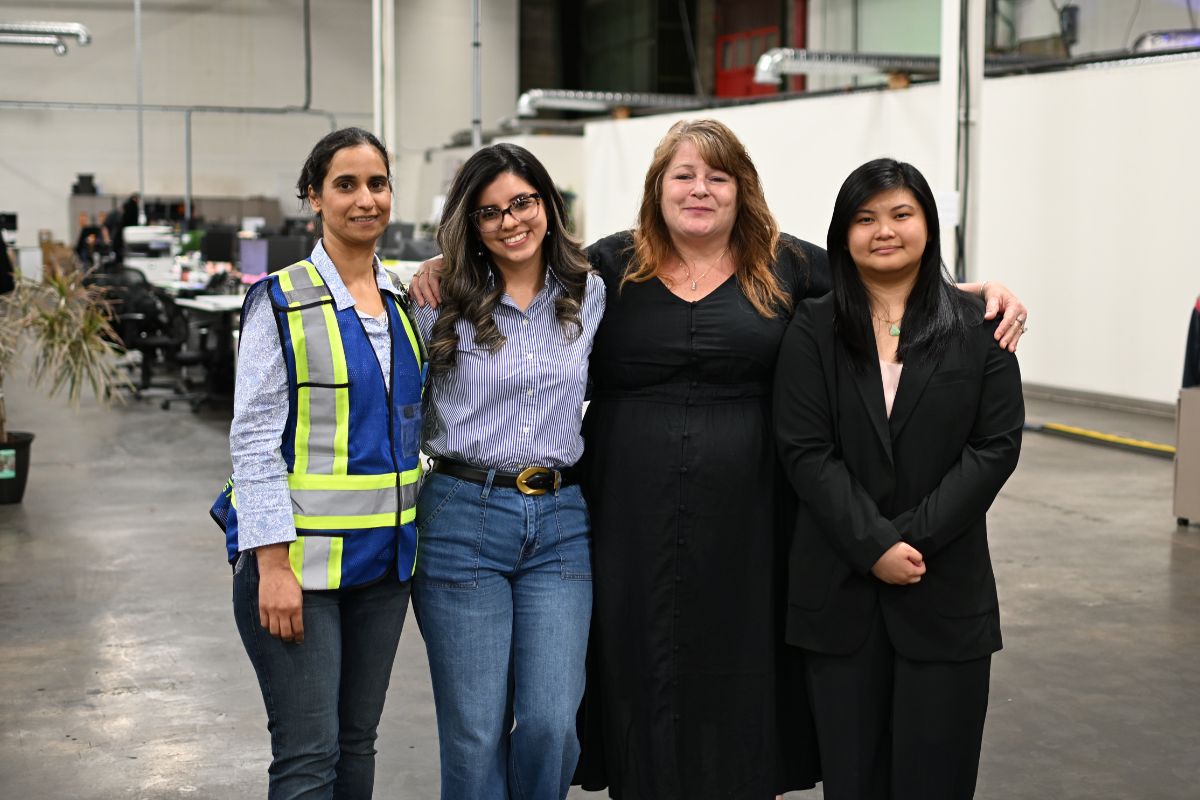
In the third-party logistics (3PL) and co-packing industries, compliance isn’t just about checking a box—it is the foundation of consumer trust. Recently, the 18 Wheels Warehousing & Trucking headquarters and flagship facility in Burnaby, BC, underwent its rigorous Safe Quality Food (SQF) Edition 9 re-certification audit.
Through seamless cross-departmental execution and the relentless dedication of our Quality Assurance (QA) and operations teams, the facility achieved an exceptional 96% score. This milestone reinforces 18 Wheels’ position as a premier, high-tier logistics partner for global food, beverage, and consumer packaged goods brands.
The Challenge: Navigating Stringent Global Standards
The SQF Code is one of the most rigorous globally recognized food safety standards, benchmarked by the Global Food Safety Initiative (GFSI). Achieving a high score requires absolute precision across:
- Comprehensive HACCP (Hazard Analysis and Critical Control Point) food safety plans.
- Strict facility maintenance, sanitation, and allergen control programs.
- Flawless document control and operational traceability.
Maintaining these stringent standards in a fast-paced, high-volume warehousing and co-packing environment demands continuous daily vigilance, rather than just preparation for an audit.
The Strategy: A Shared Culture of Compliance
The 96% re-certification score was achieved by bridging the gap between rigorous QA oversight and daily floor operations.
1. Dedicated QA Guardmanship
Our specialized QA Compliance team acted as the architects of the audit success. They continuously monitor, audit, and refine our internal processes, ensuring that every shift adheres to top-tier safety protocols.
2. Operational Integration
Food safety is a culture, not a department. The Burnaby operations staff worked hand-in-hand with QA, ensuring that high-level safety compliance was executed flawlessly on the facility floor—from inventory handling to strict climate and dust controls.
3. Continuous Improvement & Training
Leveraging internal insights and past audits, the team proactively upgraded facility protocols and ran continuous training modules to keep everyone aligned with SQF Edition 9 requirements.
The Results & Operational Impact
- 96% Audit Score: Earning an excellent rating, placing the Burnaby facility at the top tier of logistics safety compliance.
- Zero Major Non-Conformances: Demonstrating that our core food safety management systems are robust, mature, and highly effective.
- Partner Confidence: Providing our clients—ranging from local producers to multinational enterprises—with absolute peace of mind that their product integrity is fully protected.
"This achievement is a direct reflection of our team's daily commitment to going above and beyond. Our dedicated QA staff and floor operations teams work tirelessly to not just meet, but consistently exceed the most stringent global standards. A 96% SQF score is proof that at 18 Wheels, our customers' success and product safety are our absolute priority."
— Michael Kotendzhi, CEO
Looking Forward
As 18 Wheels continues to scale and innovate, this SQF re-certification establishes a rock-solid operational blueprint. We congratulate our incredible QA compliance and Burnaby operations teams for their hard work, dedication, and for setting the gold standard in logistics excellence.
