



2026
The Growing Importance of Flexible Warehousing for Seasonal Inventory Demand
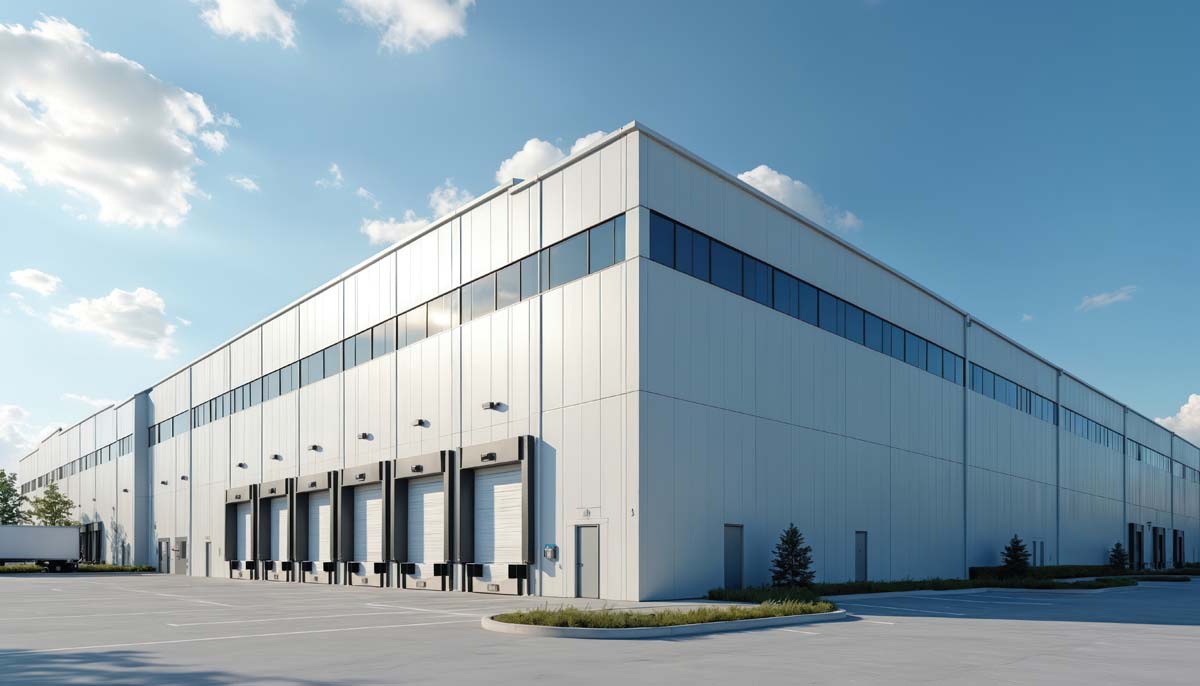
Seasonal demand creates major opportunities for Vancouver brands, importers, and e-commerce sellers, but it also puts pressure on the supply chain. Inventory may arrive in large waves, order volumes can change quickly, and space that seems sufficient one month may be inadequate the next.
Flexible warehousing helps businesses respond without committing to permanent storage space they may not need after the season ends. It supports inventory flow before, during, and after busy periods while helping teams protect customer service and avoid operational strain.
Planning Warehouse Capacity Before Seasonal Inventory Arrives
Seasonal inventory creates a difficult capacity-planning problem because demand is rarely consistent. A retailer preparing for holiday sales, a distributor stocking summer products, or an online seller launching a promotion may need significantly more room for a short period. Leasing fixed warehouse space for peak volume can leave a business paying for unused capacity once the season ends.
Businesses in Vancouver and the Greater Vancouver area also need to consider inbound timing carefully. Containers, palletized freight, supplier deliveries, and transfers from other facilities must arrive early enough for receiving, inspection, storage, and order preparation before demand rises. If inventory lands too late, teams may need to rush receiving and fulfil orders with limited room to work.
Access to flexible warehousing capacity allows businesses to align their storage footprint with actual inventory levels. Rather than building a long-term plan around the highest possible volume, they can secure the space needed for the season and adjust as inventory moves.
Capacity planning should also distinguish between reserve storage and active picking space. Reserve space holds backstock, often in pallets or larger case quantities. Pick space is where workers access units needed to build customer orders. When these areas are not planned separately, fast-moving products can become difficult to reach and staff may spend too much time relocating inventory.
A seasonal warehousing plan works best when it considers what will arrive, how quickly it will sell, and how often it will need to be picked. That preparation reduces pressure as order volume climbs.
Keeping Seasonal Products Ready for Picking and Shipping
Receiving inventory is only the first step. Seasonal goods must be organized so they can move efficiently from reserve locations into active pick areas as demand changes. Without a clear replenishment process, a warehouse can appear full while products needed for current orders are buried behind slower-moving stock.
Some seasonal products arrive in packaging that does not suit the final order format. Items may need to be relabelled, combined into sets, sorted by variation, or prepared in smaller quantities before entering active picking inventory. Timely repacking support can make incoming goods more practical to store and easier to fulfil when demand increases.
A clean layout improves speed without requiring a larger permanent operation. Fast-moving items should be positioned where teams can reach them easily. Reserve inventory should remain close enough for regular replenishment, but it should not crowd daily picking locations. Clear product identification and organized staging areas also help reduce confusion during high-volume periods.
For Vancouver businesses selling across multiple channels, inventory visibility is equally important. A product may be available for online orders, retail replenishment, marketplace sales, or promotional kits. If stock is not allocated and organized properly, one channel can consume inventory another channel depends on, creating avoidable stockouts.
Stockouts are especially damaging during short seasonal selling windows. A missed peak-period order is not always recoverable later, since the customer may no longer need the item after an event, holiday, or promotion has passed. Flexible warehousing supports availability by giving inventory room to be received, staged, and replenished before urgency takes over.
Scaling Warehouse Labour Without Carrying Peak-Level Overhead
Space is only one part of seasonal readiness. Labour requirements also change when inbound shipments increase and daily order volumes rise. A business may need additional receiving support one week, more picking and packing capacity the next, and help processing returns after the peak has passed.
Maintaining an in-house team sized for the busiest weeks can be inefficient during quieter periods. Relying on a small team during a sudden surge can lead to delayed shipments, errors, and exhausted staff. Flexible warehousing gives businesses a way to scale operational activity around demand rather than carrying the same labour burden throughout the year.
The goal is not simply to process more orders. It is to keep each step moving in the right sequence. Receiving must be completed promptly so products become available. Pick locations need replenishment before they run empty. Orders need to be packed accurately and staged for shipping without blocking space needed for the next inbound delivery.
Many seasonal campaigns create work beyond storage and order picking. Items may require inspection, labelling, kitting, inserts, protective packaging, or special handling before dispatch. Using value-added warehouse services can help businesses coordinate these tasks within the warehouse workflow instead of sending products through multiple locations.
Seasonal labour planning should also include realistic cutoffs. If a promotion launches on a specific date, inventory preparation needs to happen early enough to avoid last-minute changes. Allowing time for receiving discrepancies, product sorting, and replenishment gives the operation more control when volumes become unpredictable.
Transitioning Smoothly After Peak Demand in Greater Vancouver
The end of a busy season deserves as much planning as the beginning. Once sales slow, remaining inventory may need to stay accessible for ongoing orders, be consolidated into reserve storage, or be prepared for a future campaign. Businesses that continue occupying peak-level space without reviewing their needs can end up with inefficient layouts and unnecessary overhead.
Post-peak transitions often involve returns, leftover promotional stock, slower-moving products, and newly arriving inventory for the next sales cycle. A well-managed warehouse can help separate these items so active products remain easy to fulfil. It can also help businesses assess which stock should stay in pick locations and which products should move back into reserve storage.
For importers and online sellers in the Greater Vancouver area, this flexibility can make planning less reactive. Instead of treating each seasonal spike as a one-time emergency, teams can build a repeatable process for inbound scheduling, storage allocation, order fulfilment, and post-peak consolidation.
Good seasonal warehousing begins with a practical review of inventory volume, product mix, shipping needs, and expected timing. It also requires room to adjust when supplier deliveries arrive early, demand changes, or a promotion performs differently than expected.
If your operation needs adaptable storage and fulfilment support for an upcoming seasonal period, you can request a warehousing quote to start a conversation about the capacity and services that fit your inventory flow.
