


2026
Intermodal Done Right: Our CN/CP Rail Playbook for Western Canada
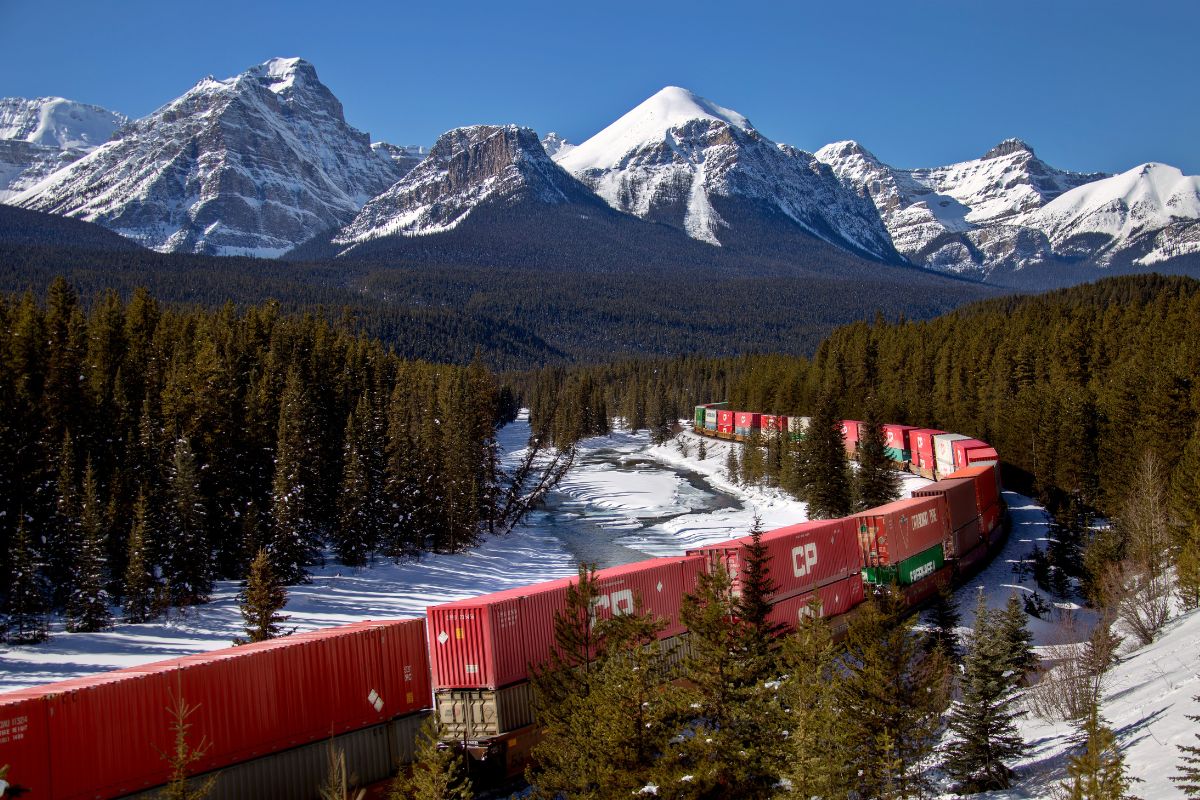
Shipping freight across the vast expanse of Western Canada requires more than just a fleet of trucks. It demands a strategic approach that balances speed, cost, and reliability. For businesses moving goods from the bustling ports of Vancouver to the distribution hubs of Calgary and beyond, intermodal transportation is the key to unlocking supply chain efficiency.
By seamlessly integrating rail and road networks, companies can achieve significant savings while reducing their carbon footprint.
At 18 Wheels Logistics, we have spent decades perfecting the art of moving freight. Our deep understanding of the Canadian National (CN) and Canadian Pacific (CP) rail systems allows us to build resilient logistics strategies for our clients. Whether you are importing electronics through Deltaport or distributing consumer goods across the prairies, our playbook ensures your cargo arrives on time and on budget. Let us explore how we leverage intermodal solutions to keep your business moving forward.
Understand the Power of Intermodal Freight Shipping
Intermodal shipping is the process of moving freight using two or more modes of transportation, typically truck and rail, without handling the freight itself when changing modes. This method offers a unique blend of the long-haul efficiency of trains and the flexible, door-to-door capabilities of trucks. When executed correctly, it provides a robust alternative to traditional over-the-road trucking, especially for distances exceeding 500 miles.
The benefits of this approach extend far beyond simple cost reduction. By utilizing the extensive rail networks that crisscross Western Canada, businesses can bypass congested highways and unpredictable weather conditions that often plague mountain passes like the Coquihalla. Furthermore, trains are significantly more fuel-efficient than trucks, making intermodal a greener choice for environmentally conscious brands.
To fully capitalize on these advantages, a logistics partner must have a deep understanding of the infrastructure. Here are the core components that make intermodal shipping successful:
- Strategic terminal access near major ports and distribution centers
- Reliable drayage services to connect rail yards with final destinations
- Advanced tracking technology for end-to-end visibility
- Strong relationships with Class I railroads like CN and CP
By mastering these elements, we transform complex supply chains into streamlined operations. Our clients benefit from predictable transit times and reduced freight spend, allowing them to focus on their core business.
Navigate the CN and CP Rail Networks
Western Canada is served by two primary Class I railroads: Canadian National (CN) and Canadian Pacific (CP). These massive networks form the backbone of the country's freight infrastructure, connecting the Pacific coast to markets across North America. Understanding the nuances of each network is crucial for optimizing transit routes and avoiding bottlenecks.
CN Rail boasts an extensive network that reaches deep into the northern regions and provides excellent connectivity to the US Midwest and Gulf Coast. Their terminal in Surrey is a critical hub for goods moving in and out of the Lower Mainland. On the other hand, CP Rail offers a highly efficient southern corridor, with strong links to major US markets and a state-of-the-art intermodal facility in Pitt Meadows.
Choosing the right rail partner depends on the specific needs of your shipment. We analyze factors such as origin, destination, transit time requirements, and equipment availability to determine the optimal routing.
Here are key considerations when selecting between CN and CP routing:
- Proximity of the origin and destination to specific rail terminals
- Current network congestion and seasonal weather impacts
- Availability of specialized equipment like temperature-controlled containers
- Transit time guarantees and service level agreements
Our team continuously monitors the performance of both networks, allowing us to pivot quickly when disruptions occur. This proactive approach ensures that your freight keeps moving, even when challenges arise.
Optimize Container Drayage for Seamless Transitions
The success of any intermodal strategy hinges on the first and last mile of the journey. This is where container drayage comes into play. Drayage is the specialized trucking service that moves containers between ocean ports, rail yards, and warehouses. In a busy hub like Vancouver, efficient drayage is essential for avoiding costly delays and demurrage fees.
Navigating the Port of Vancouver requires local expertise and a dedicated fleet. Terminals like Deltaport and Centerm operate on strict appointment systems, and missing a window can throw an entire supply chain off schedule. Our drivers are intimately familiar with the port's rhythms, ensuring smooth pickups and drop-offs.
We mitigate risk by maintaining a robust drayage operation that integrates seamlessly with our rail strategies. This includes managing the complex logistics of empty container returns and chassis availability.
Effective drayage management involves several critical steps:
- Securing terminal appointments well in advance of vessel arrival
- Monitoring vessel schedules and rail cut-off times in real-time
- Utilizing bonded carriers for seamless customs clearance
- Coordinating closely with warehouse receiving teams
By controlling the drayage process, we eliminate the friction that often occurs when freight changes hands. This end-to-end control is a cornerstone of our intermodal playbook.
Leverage Local Warehousing for Strategic Advantage
Intermodal shipping is most effective when paired with strategically located warehousing. In Western Canada, having a facility near major rail terminals and ports provides a massive competitive advantage. It allows for rapid devanning of ocean containers and efficient transloading into domestic trailers or rail cars.
Our extensive network of facilities, including our flagship Surrey warehouse, is positioned to maximize intermodal efficiency. When a container arrives at a Vancouver rail yard, we can quickly move it to our facility, unload the goods, and return the empty equipment. This rapid turnaround minimizes per diem charges and keeps inventory flowing.
Furthermore, local warehousing provides a buffer against supply chain volatility. If a rail network experiences a disruption, we can hold inventory safely until the issue is resolved.
Strategic warehousing supports intermodal operations in several ways:
- Providing cross-docking services to accelerate distribution
- Offering short-term storage to manage seasonal inventory peaks
- Facilitating consolidation of LTL shipments into full truckloads
- Enabling value-added services like co-packing and labeling
Integrating warehousing with transportation creates a unified solution that drives down costs and improves service levels. It is a holistic approach that modern supply chains demand.
Manage Risk and Ensure Freight Visibility
Visibility is the antidote to supply chain anxiety. When freight is moving across multiple modes of transportation, knowing its exact location and status is paramount. In the past, intermodal shipping was often viewed as a black box, with shippers losing sight of their cargo once it boarded a train. Today, advanced technology has illuminated the entire process.
We utilize a sophisticated Transportation Management System (TMS) that integrates data from ocean carriers, railroads, and our own trucks. This provides our clients with a single pane of glass to monitor their shipments from origin to destination. Real-time alerts notify us of any delays, allowing our team to take immediate corrective action.
Risk management also involves proactive planning. We anticipate seasonal challenges, such as the winter freeze in the Rockies or the autumn peak shipping season, and adjust our strategies accordingly.
Our approach to visibility and risk management includes:
- Providing clients with secure portal access for real-time tracking
- Utilizing EDI and API integrations for seamless data exchange
- Conducting regular performance reviews with rail partners
- Developing contingency plans for alternative routing
By combining technology with experienced personnel, we deliver peace of mind. You can trust that your freight is being monitored and managed every step of the way.
Build a Resilient Supply Chain for the Future
The logistics landscape is constantly evolving, driven by shifting consumer demands and global economic forces. To remain competitive, businesses must build supply chains that are not only efficient but also resilient. Intermodal transportation is a critical tool for achieving this resilience in Western Canada.
By diversifying transportation modes, companies reduce their reliance on any single network. If trucking capacity tightens or fuel prices spike, the rail network provides a stable alternative. This flexibility is essential for navigating the uncertainties of modern commerce.
At 18 Wheels Logistics, our playbook is built on decades of experience and a commitment to innovation. We understand the nuances of the local infrastructure and have the tools to provide total visibility from port to final destination.
