


2026
How Integrated Transportation and Warehousing Improves Customer Satisfaction
Most late deliveries are not caused by a truck breaking down. They are caused by a handoff.
A pick is finished at four in the afternoon and the carrier's cut-off was three. A trailer arrives at a yard that was not expecting it. A tracking status says shipped while the pallet is still on the dock. An order is short and nobody notices until the customer does. In each case the warehouse did its job and the carrier did its job, and the customer still had a bad experience, because the space between the two jobs belonged to nobody.
That gap is the real argument for buying warehousing and transportation from the same provider. It is not primarily about rate bundling. It is about removing the seam where promises break.
Where the Seam Shows Up
When storage and freight sit with separate companies, a predictable set of problems follows. Cut-off times are set by the carrier's network rather than by what the warehouse can realistically produce, so the last two hours of the picking day are wasted. Trailer availability is a request rather than a plan, which turns a surge into a backlog. Exceptions take a day to resolve because the warehouse and the carrier are each waiting for the other to confirm something.
The customer experiences all of this as one thing: the supplier is unreliable. They do not distinguish between the warehouse and the carrier, and there is no reason they should.
What Changes When One Party Owns the Whole Promise
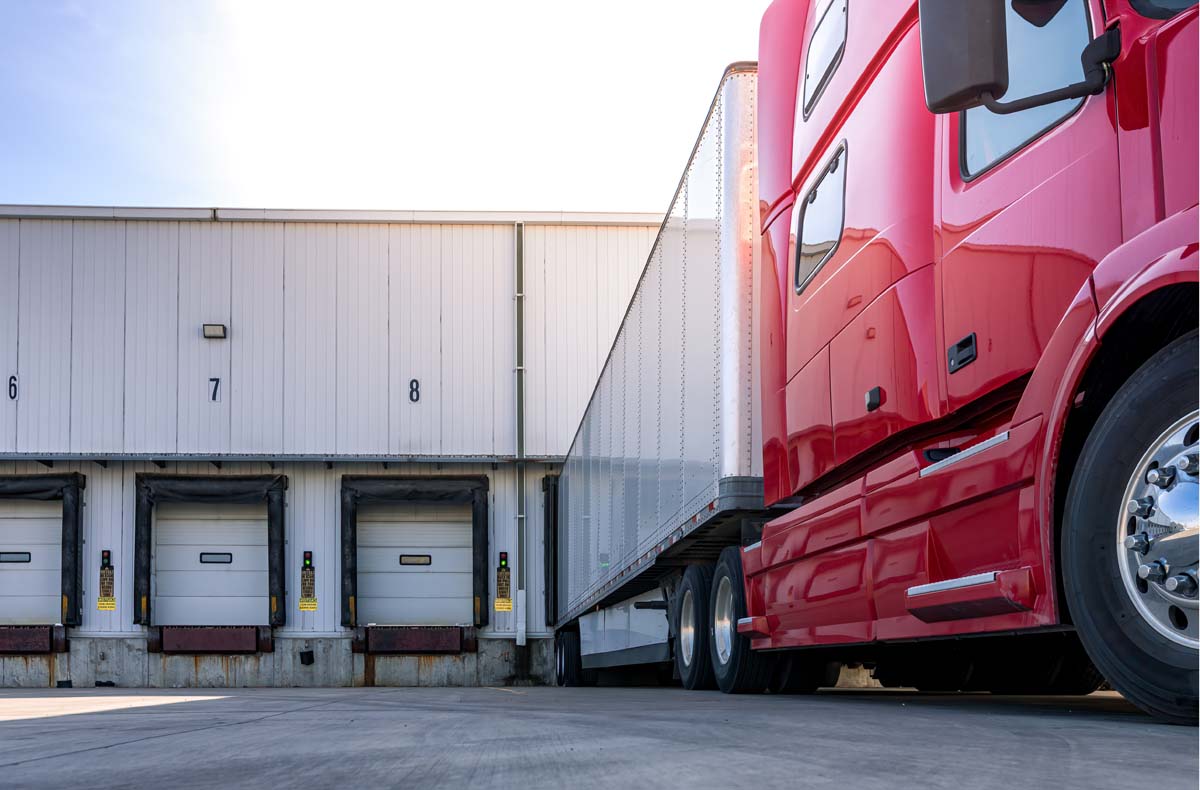
With the trailer in the same yard as the inventory, the cut-off becomes an internal decision rather than an external constraint. An order that closes late in the day can still ship the same day, because loading does not depend on a pickup window negotiated by someone else.
Scheduling gets the same benefit. Inbound receiving, outbound loading and dock capacity can be planned against one another instead of hoping they line up, which is the practical difference between a warehouse operation that absorbs a busy week and one that falls behind on the Tuesday and never catches up.
Accountability changes too, and that matters more than it sounds. When one provider owns storage and movement, there is no version of events in which the delay was someone else's fault. The exception gets worked rather than debated.
The Specific Things Customers Notice
Service improvements only count if the person receiving the order can feel them. Integration tends to show up in a handful of concrete ways:
- Later order cut-offs, because the trailer is already on site and loading is not gated by an external pickup window
- Fewer short and damaged shipments, since the load is built once by the people who picked it rather than restacked at a terminal
- Tracking that reflects reality, because the shipped status comes from the same system that recorded the pick
- Same-day resolution on exceptions, as the person who can check the pallet and the person who can reach the driver work for the same company
- Delivery appointments that hold, which for retail customers is the difference between a clean receipt and a chargeback
- Returns that re-enter stock quickly instead of sitting in a trailer waiting for someone to claim them
None of those are dramatic on their own. Together they are the difference between a supplier a buyer trusts and one they hedge against by ordering early and holding extra stock.
Why Retail Customers Care More Than Most
Selling into major retail turns delivery performance into a measured number. On time and in full is tracked, scored and enforced, and the penalty for missing it is not a complaint but a deduction. Repeated failures affect shelf space and future orders.
Hitting a receiving appointment at a distribution centre requires the pick, the pack, the load and the transit to all land correctly, with no margin for a handoff to go wrong. That is why retail-facing businesses are usually the first to consolidate warehousing and freight with one provider, and why the improvement is most visible there.
The same pressure applies to direct-to-consumer volume for a different reason. The promise is published on the website before the order exists, so e-commerce fulfillment has to hit a stated delivery date without the buffer that a wholesale order usually carries.
Running Both Channels Out of One Operation
Businesses that sell through retail and online at the same time often end up with two separate supply chains, each with its own inventory pool and its own set of handoffs. It is an expensive way to operate, and the usual symptom is having stock in the wrong channel while the other one runs out. An omnichannel fulfillment and transportation setup keeps one pool of inventory serving both, which removes that failure entirely.
Freight is the other half of it. Pallet shipments into a retail DC and parcel volume to consumers have different requirements, and having transportation capacity attached to the same building means both can be dispatched from one place rather than coordinated across two vendors.
What to Ask Before You Consolidate
Integration is a real advantage and it is also a claim that is easy to make. A few questions separate the two.
Ask whether the warehouse and the fleet actually report to the same operation, or whether freight is brokered out once the pallet leaves the building. Ask what the order cut-off is and what sets it. Ask who you call when a shipment is wrong, and whether that person can see both the inventory record and the load. Ask for on time performance on your lanes rather than overall, since network averages hide the lanes that matter to you.
A provider running both well will answer those directly. One that bundles the invoice without integrating the operation usually will not.
Talk to Us About Your Service Levels
18 Wheels has run warehousing and trucking together since 1989, with facilities and fleet across Canada from British Columbia to Nova Scotia. The same operation stores the product, builds the load and moves it, which is what makes a later cut-off and a single point of accountability possible.
If your delivery performance is costing you customers or chargebacks, tell us what you ship, where it goes and what you have promised. Contact us and we will tell you what is achievable.
